ISSUE 93 | OCTOBER 2026
FUENEWS
THE VOICE OF EMPLOYERS
FUE CEO MESSAGE
Dear Esteemed Member,
It is the final quarter of 2026, a valuable opportunity to reflect on the achievements, progress and learning curves since the beginning of the year.
As we work towards achieving the Sustainable Development Goals (SDGs) by 2030, SDG 5 on Gender Equality has taken center stage in the evolving labour market. At FUE, we have various initiatives such as the Leadership Development Female Future Program (FFP), the Annual Women Leadership Conference (AWLC) and the Malkia course to equip women for top decision-making processes in the corporate world, enhance capacity of young women to take up leadership positions, as well as provide a forum for executives and female board members to interact and exchange ideas.
Since 2011, over 300 ladies have graduated from FFP in Uganda with about 30% acquiring board positions, 37% attaining much higher and more challenging jobs, and 24% starting their own businesses. FFP has been recognised by the ILO as one of the 10 best practices of Gender Equality and was cited by the International Training Centre of the International Labour Organisation (ITC-ILO), Turin, Italy as the best program in the African region promoting women in business and management.
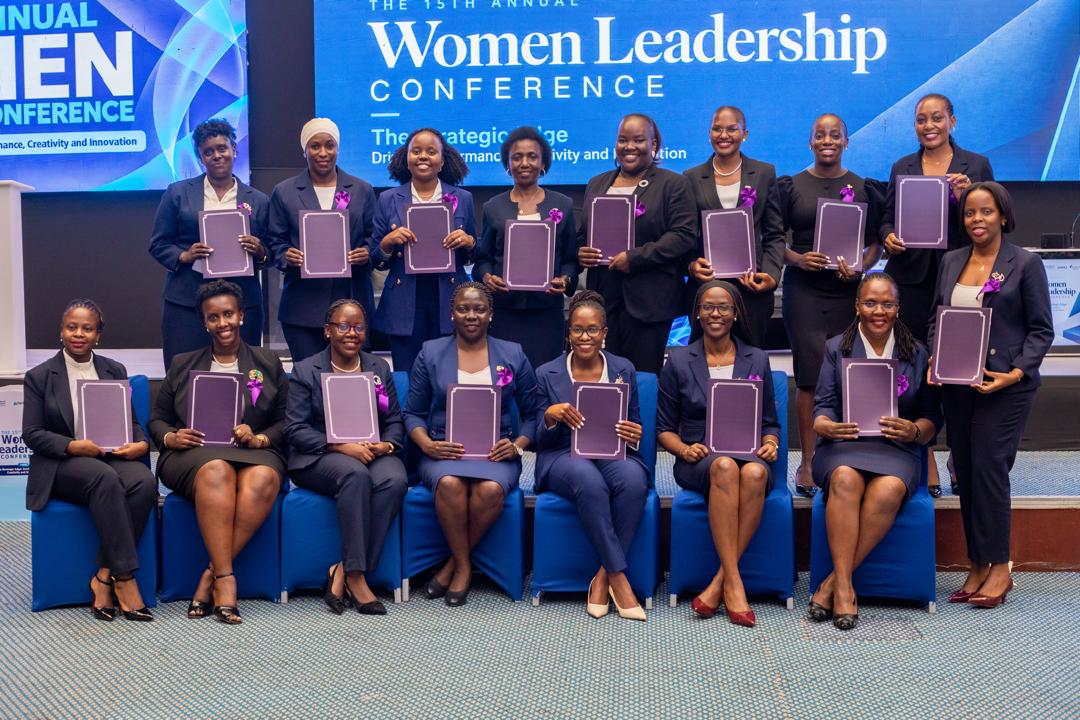
In view of the above, the 15th AWLC was convened under the theme, ‘The Strategic Edge: Driving Performance, Innovation and Creativity’. This theme highlights a clear foundational understanding of aspects driving high performance in the workplace as well as practical, actionable strategies and tools to increase workforce productivity in addition to readiness among leaders to adapt innovation and enhance employer competitiveness. The speeches, keynote presentation and panel discussion were all customised to ensure women leaders are at the forefront of organisational growth. Congratulations to the ladies of the 26th and 27th cohorts of FFP that graduated after successfully completing the program.
Furthermore, we successfully conducted the third cohort of the Women in Leadership (WIL) course in partnership with our esteemed member, Marie Stopes Uganda. WIL is a leadership development program for the female workforce in Marie Stopes aimed at equipping them to lead boldy, build confidence and take up their space at management and supervisory level. We implore all Employers to invest in capacity building and professional development of their teams to boost maximum productivity and advance business growth.
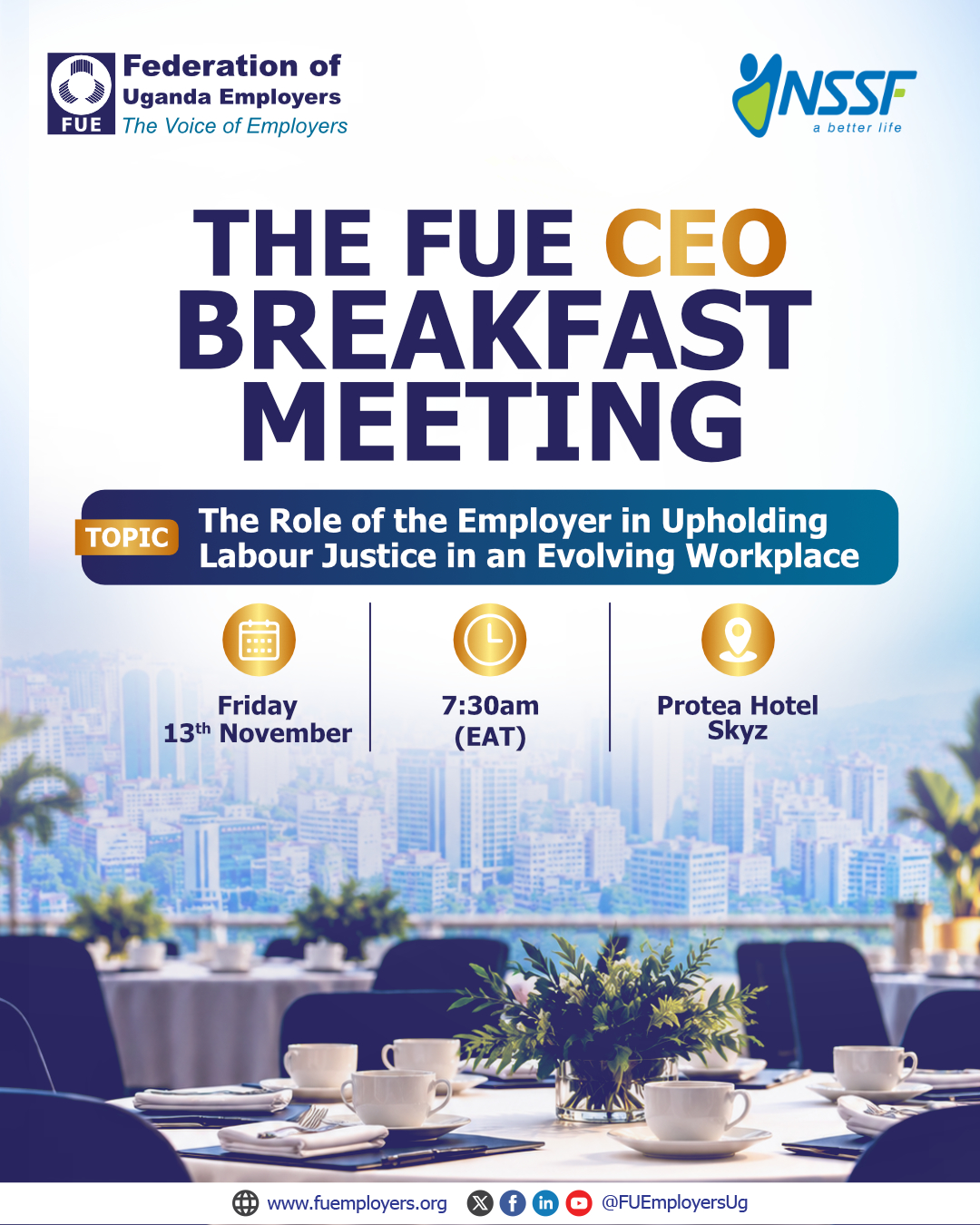
Save the date for the FUE-CEO Breakfast Meeting slated for Friday 13th November 2026 at Protea Hotel Skyz from 7:30am (EAT).
Thank you,
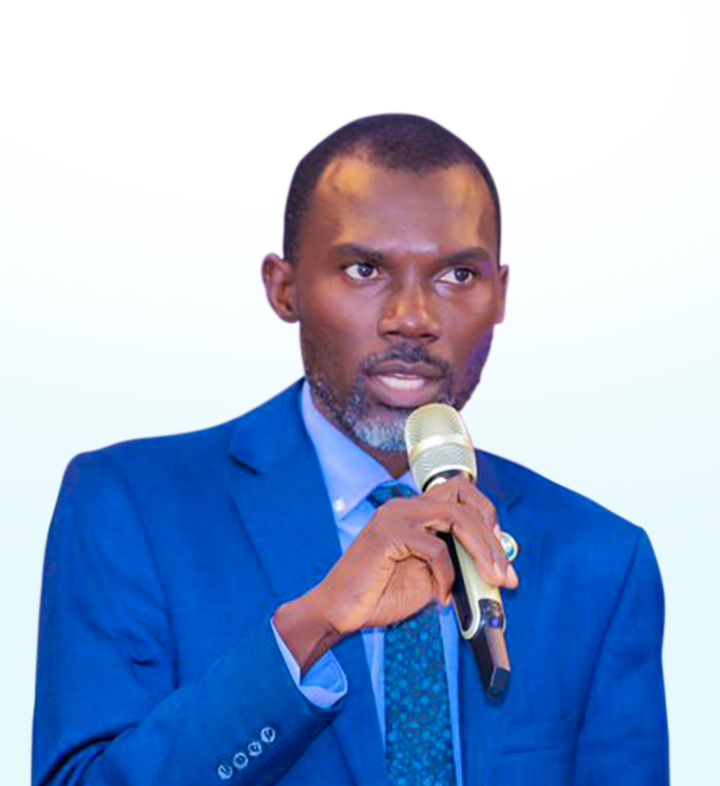
Mr. Douglas Opio
The Chief Executive Officer, FUE.
INSIDE THIS ISSUE
- FUE CEO Message
- The Annual Women Leadership Conference
- FUE-MIS Women In Leadership Program Graduation
- The 7th Annual BHR Forum
- Validation of the National Return and Reintegration Framework for Migrant Workers in Uganda
- The FUE Industrial Relations Clinic
- Tripartite Belgium Study Tour and DWSP Strategic Meeting
- Employers’ Consultative Meeting on Employment and Working Time Regulations
- FUE New Member Alert
- FUE Staff Commentary
- Upcoming Event

THE ANNUAL WOMEN LEADERSHIP CONFERENCE
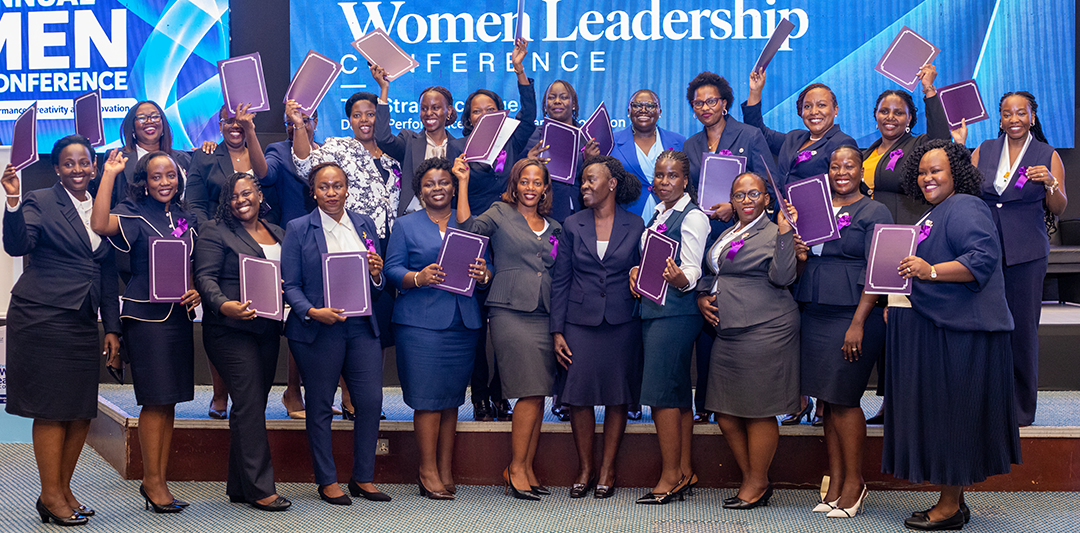
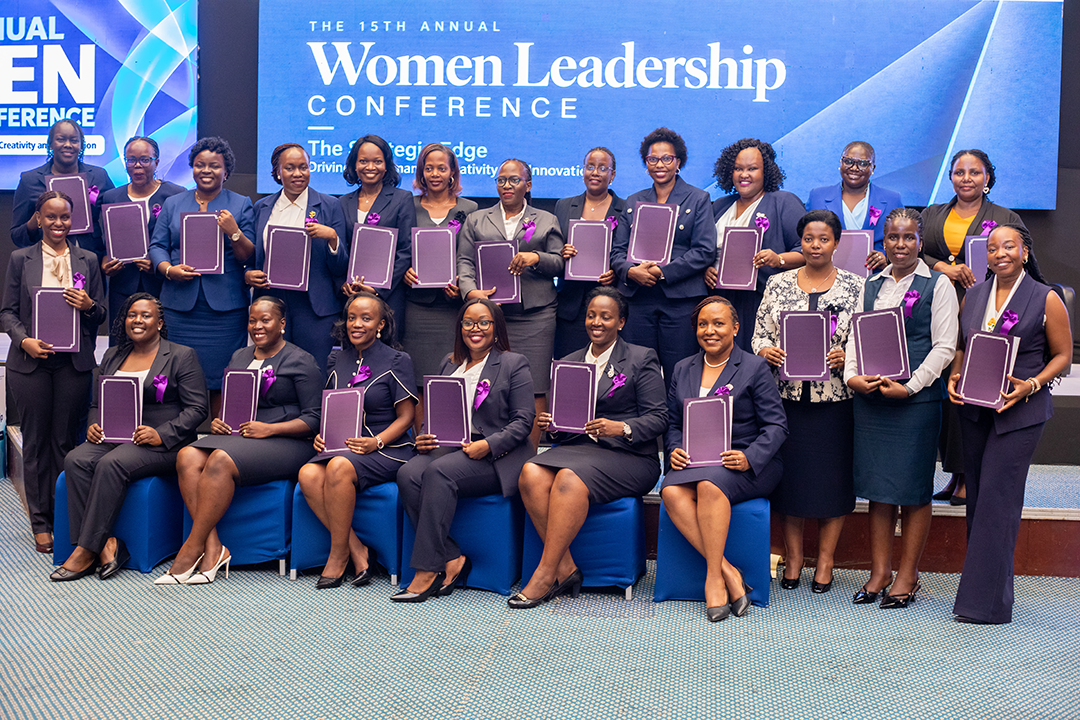
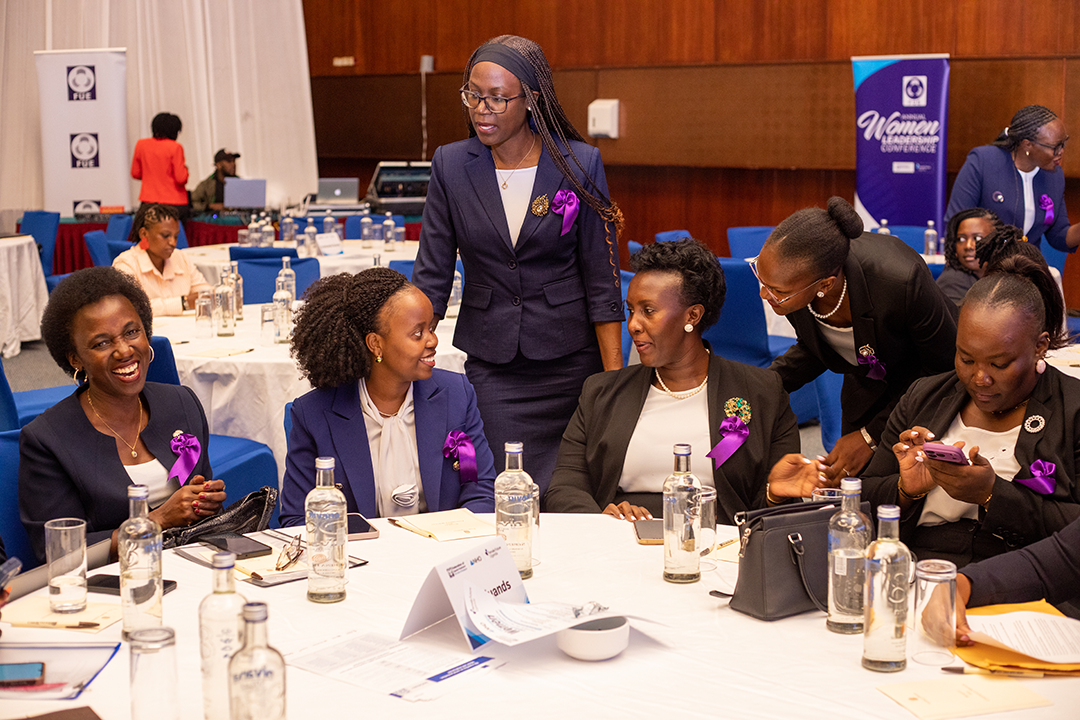
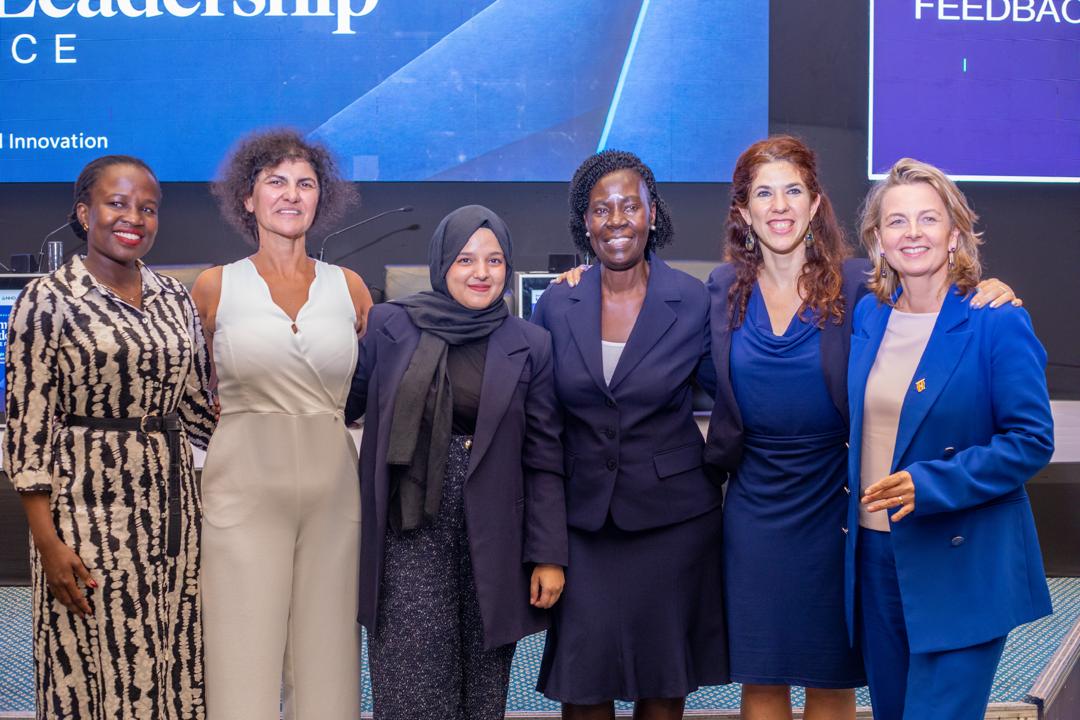
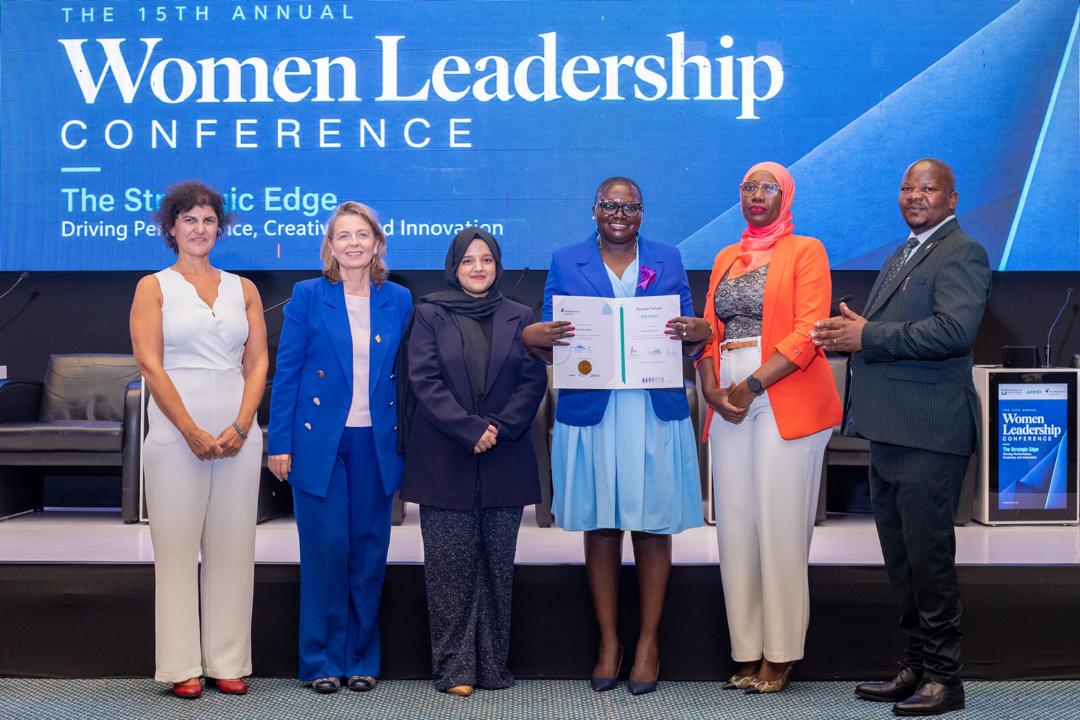
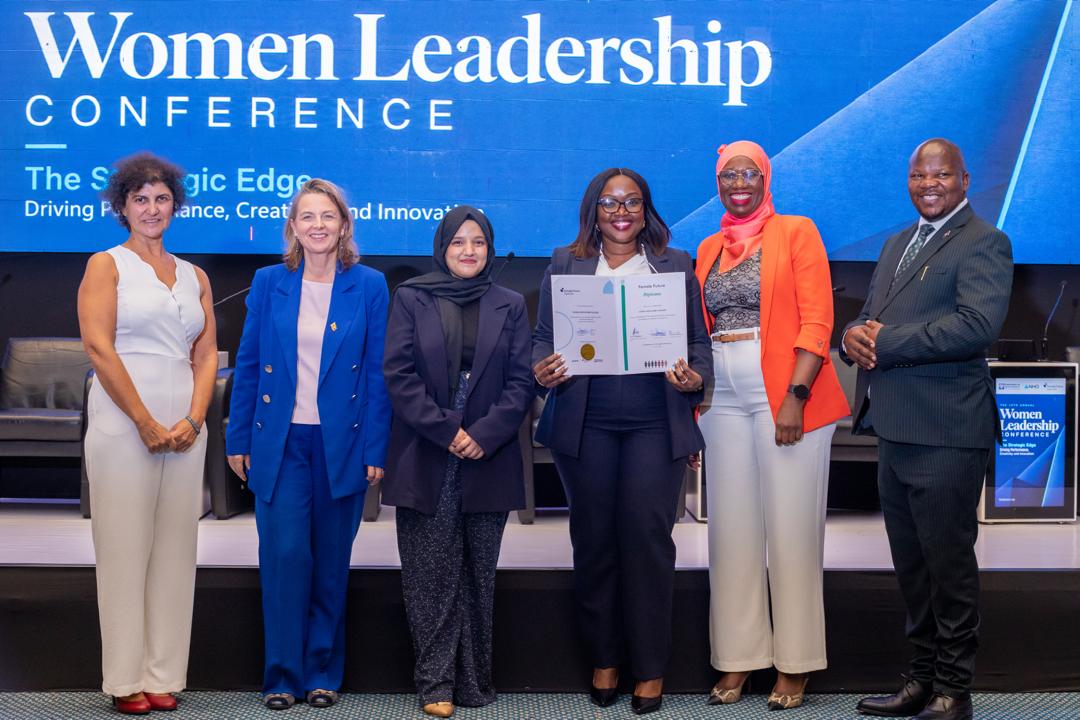
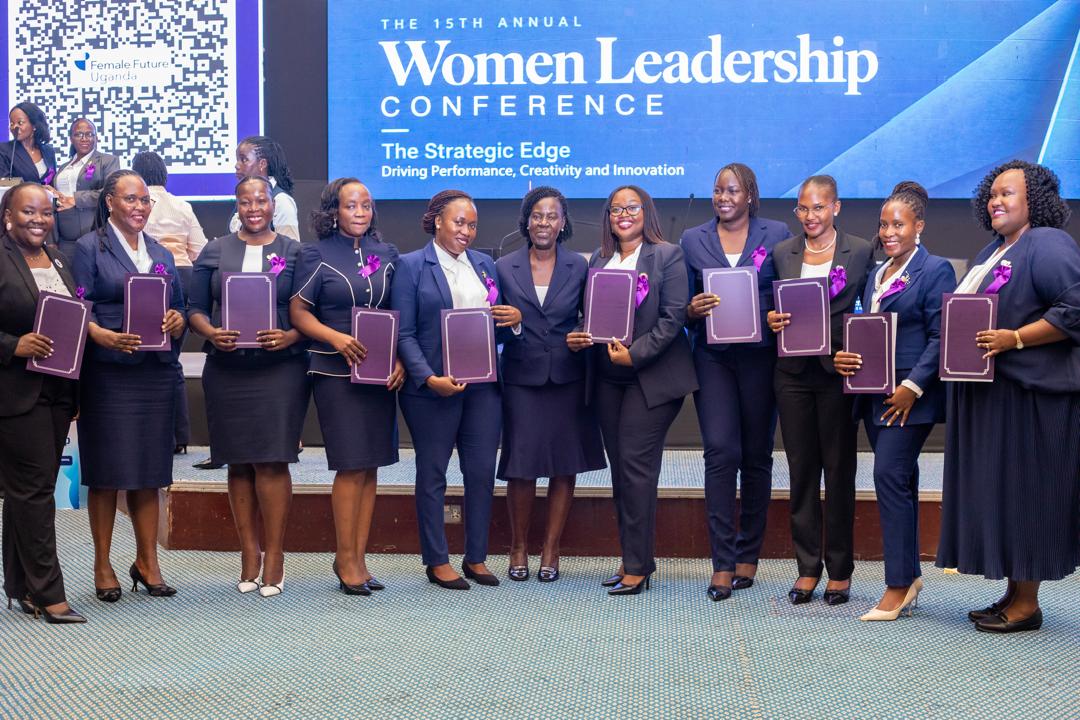
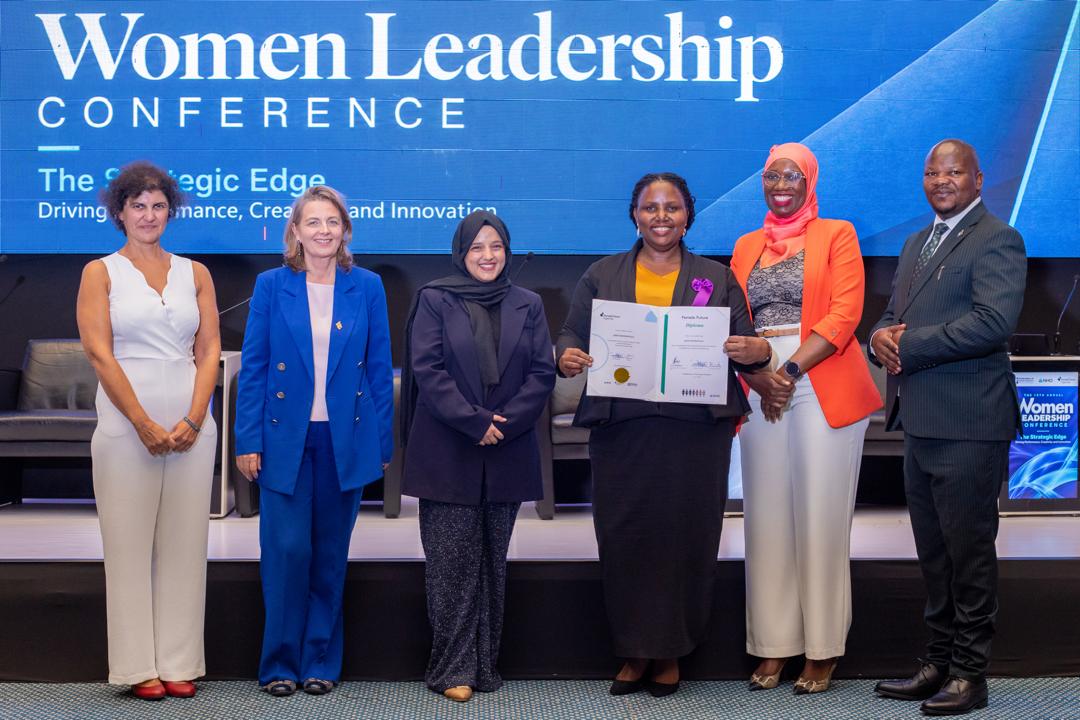
The 15th Annual Women Leadership Conference (AWLC) was convened on Friday 16th October 2026 at Kampala Serena Hotel. The theme was, ‘The Strategic Edge: Driving Performance, Innovation and Creativity ’. Women Leaders, FFP graduands and Invited Guests were in attendance.
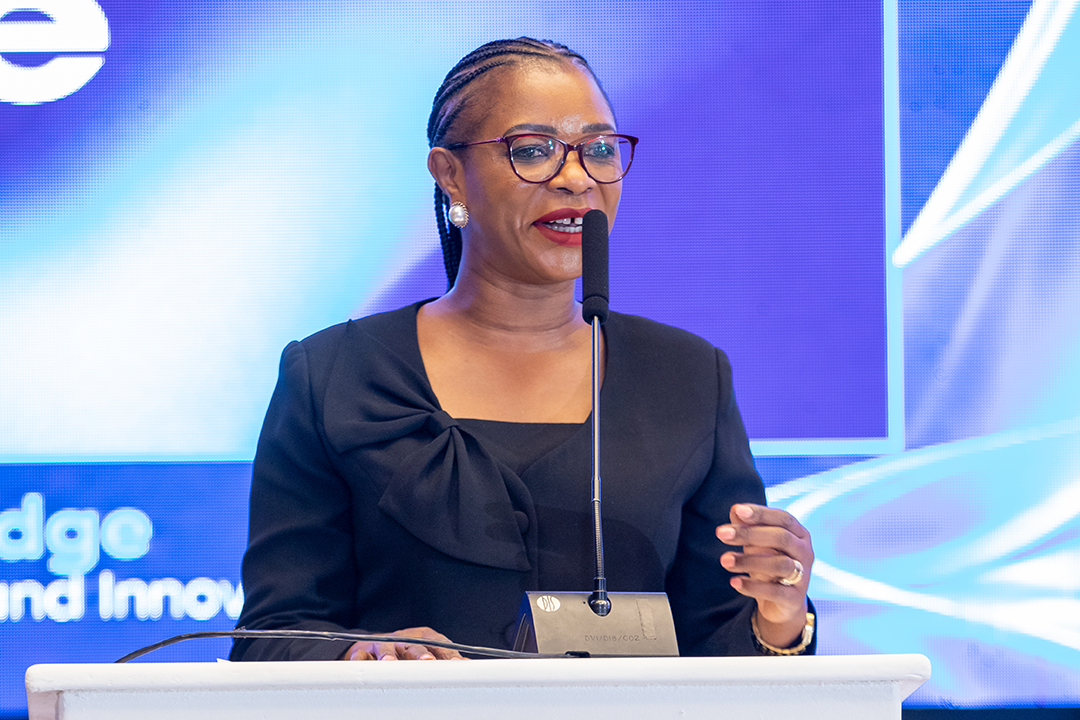
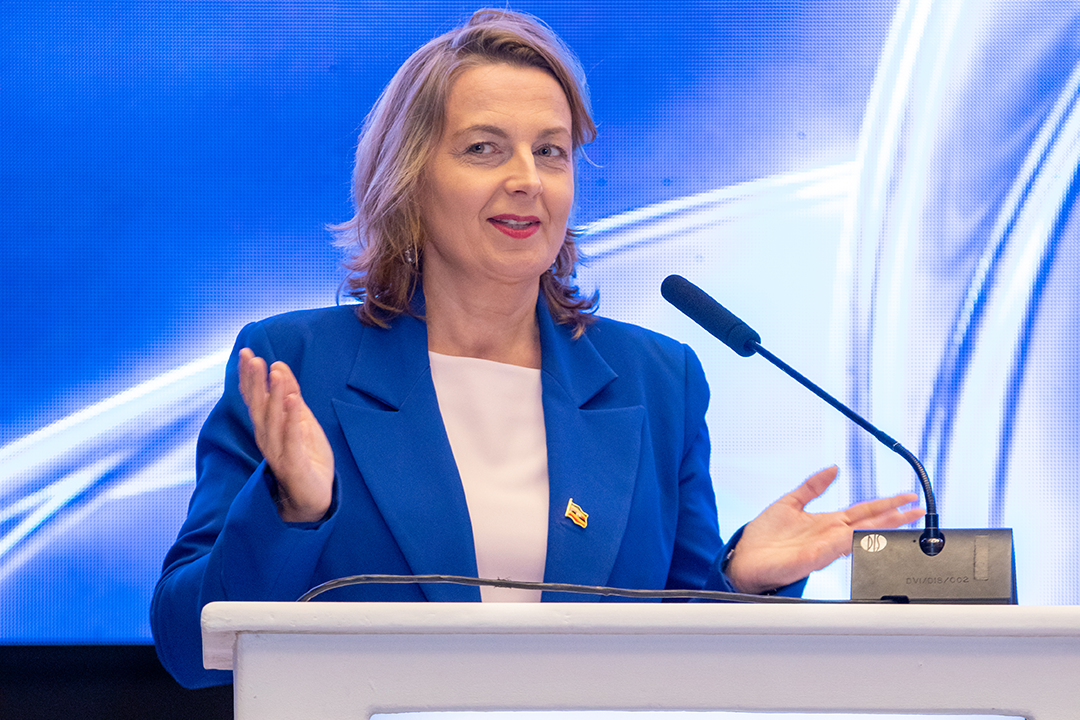
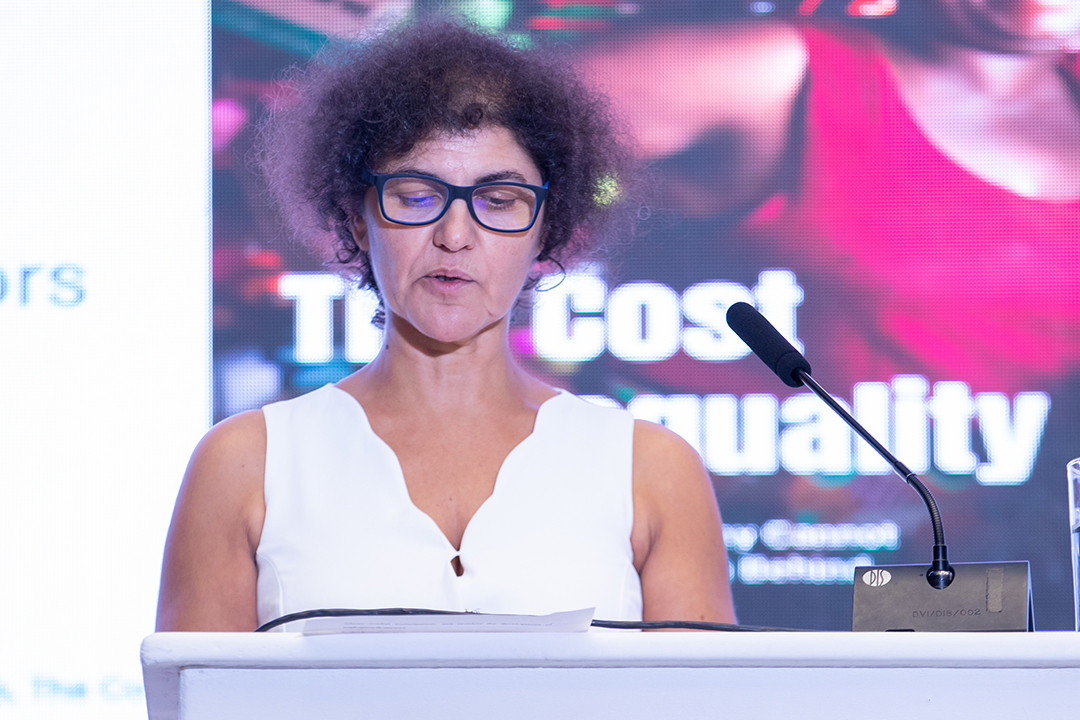
The keynote address delivered by Andreia Macques, SOCIEUX+ Expert with the Commission for Gender Equality highlighted Artificial Intelligence (A.i), digitalisation, green transition, demographic shifts and innovation eco-systems as key aspects shaping the future of work. She emphasised the economic cost of gender inequality such as low productivity, reduced innovation capacity and constrained growth in high-value sectors as hinderances to business growth. Ms. Macques further applauded Uganda for championing initiatives that advance gender equality at national level.
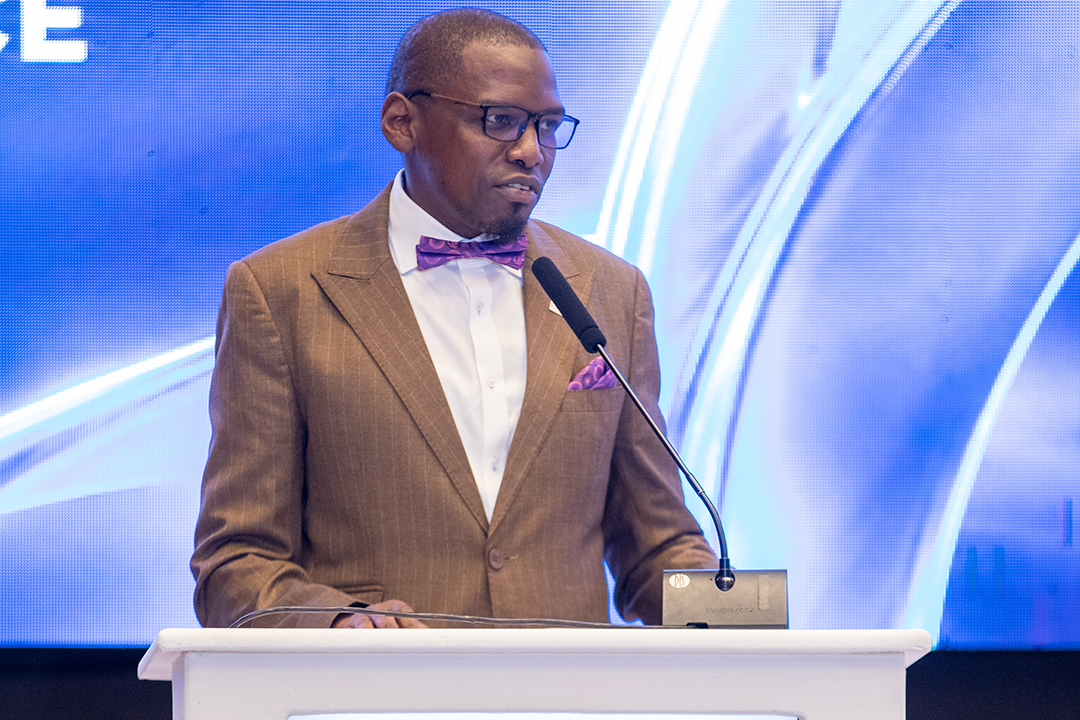
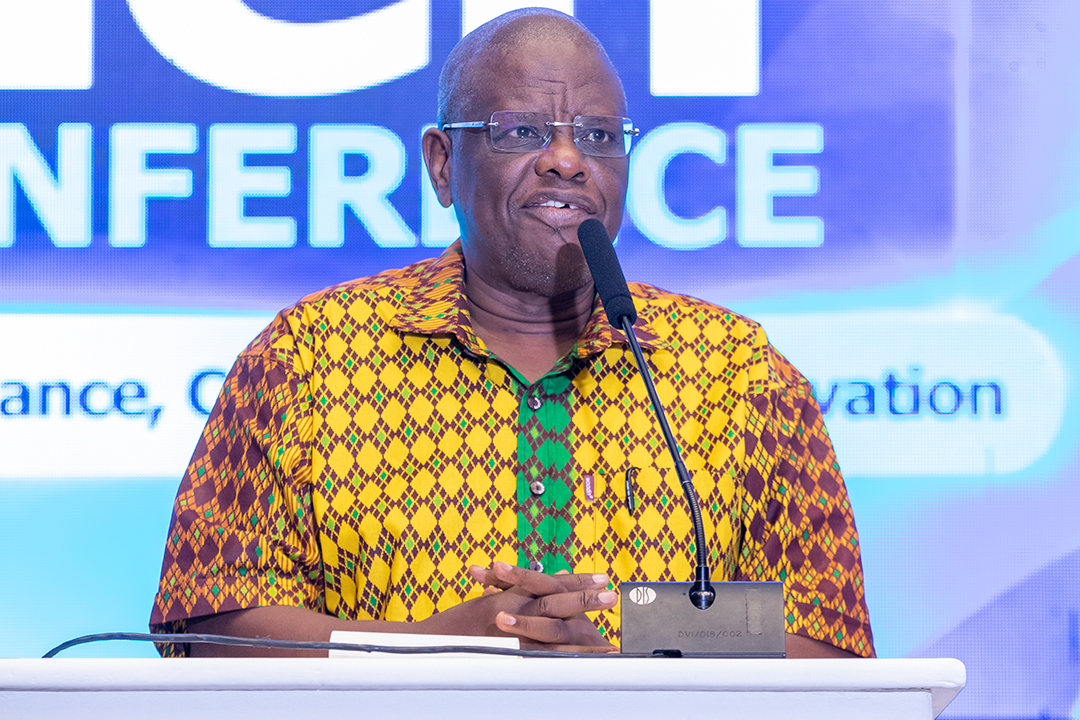
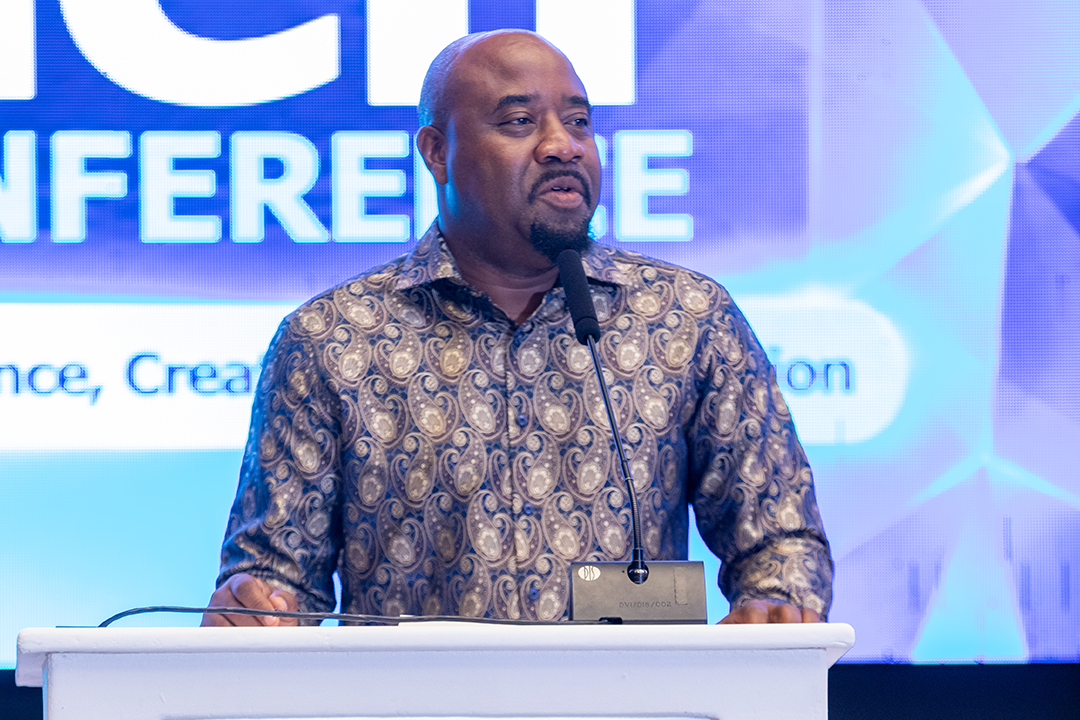
The FUE Chairperson, Mr. Fred Bamwesigye encouraged all ladies that have completed the leadership course to add value to their respective organisations. He revealed that the new graduates join a network of transformational leaders that have been enrolled since 2011. Additionally, the MGLSD Representative, Mr. Benard Mujuni reiterated various national programs that have been developed by the government to promote women empowerment, eliminate Gender Based Violence and enhance financial sustainability through the Parish Development Model (PDM) to boost economic growth.
Furthermore, the conference featured a panel discussion with seasoned business professionals Rabiya Anwer, Simon Harvey, Dr. Dennis Ngabirano and Sophie Nankadi who shared valuable insights on innovation and creativity in various spaces. They highlighted resilience, excellent service delivery, women empowerment and youth employability as key aspects to boost workforce productivity. The role of EBMOs in providing a platform to discuss world of work issues as well as connect organisations to the right networks in the labour market to thrive at global level was emphasised.
Congratulations to the 26th and 27th Cohorts for successfully completing the Leadership Development Female Future Program. We believe the course has transformed you at personal and professional level and will elevate you to great heights in your leadership journey.
It is key to note that women leadership fosters innovation, ensures risk management quality and promotes organisation resilience in the workplace. At FUE, we are committed to advancing Diversity, Equity and Inclusion for a conducive work environment.
FUE-MIS WOMEN IN LEADERSHIP PROGRAM GRADUATION
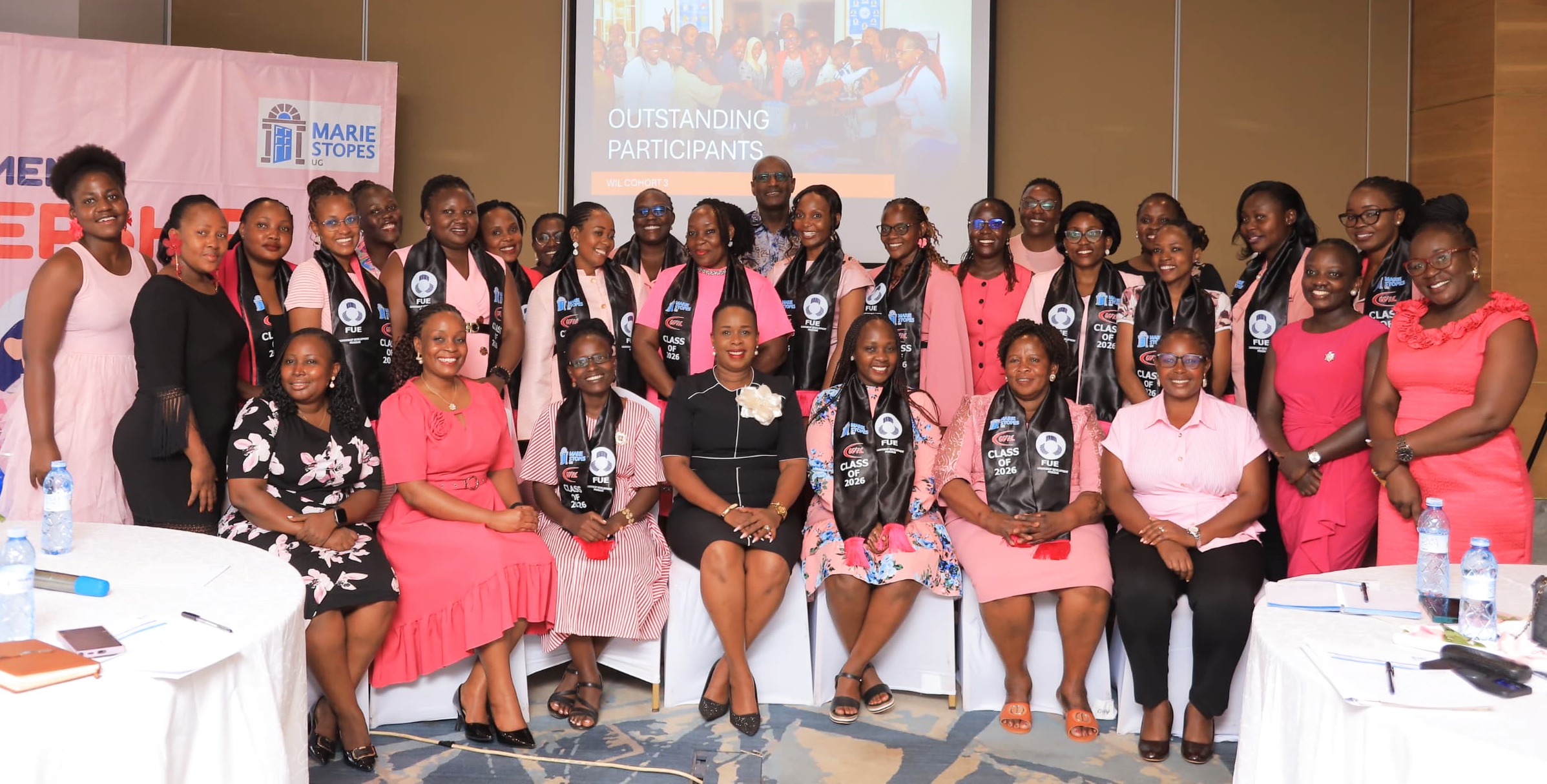
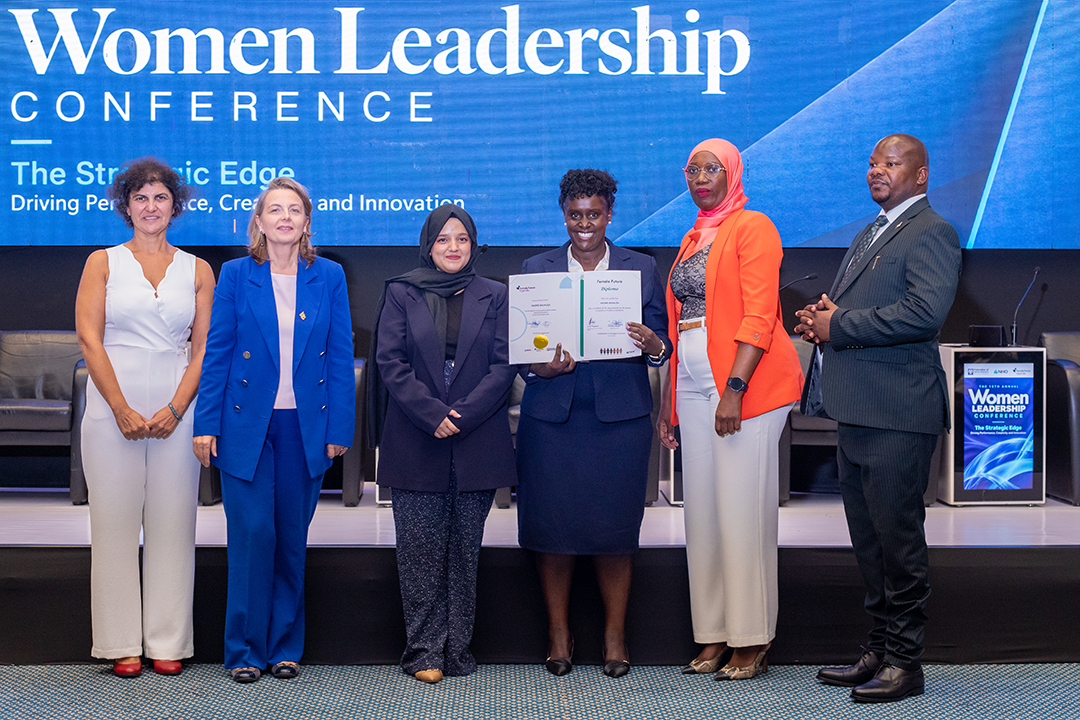
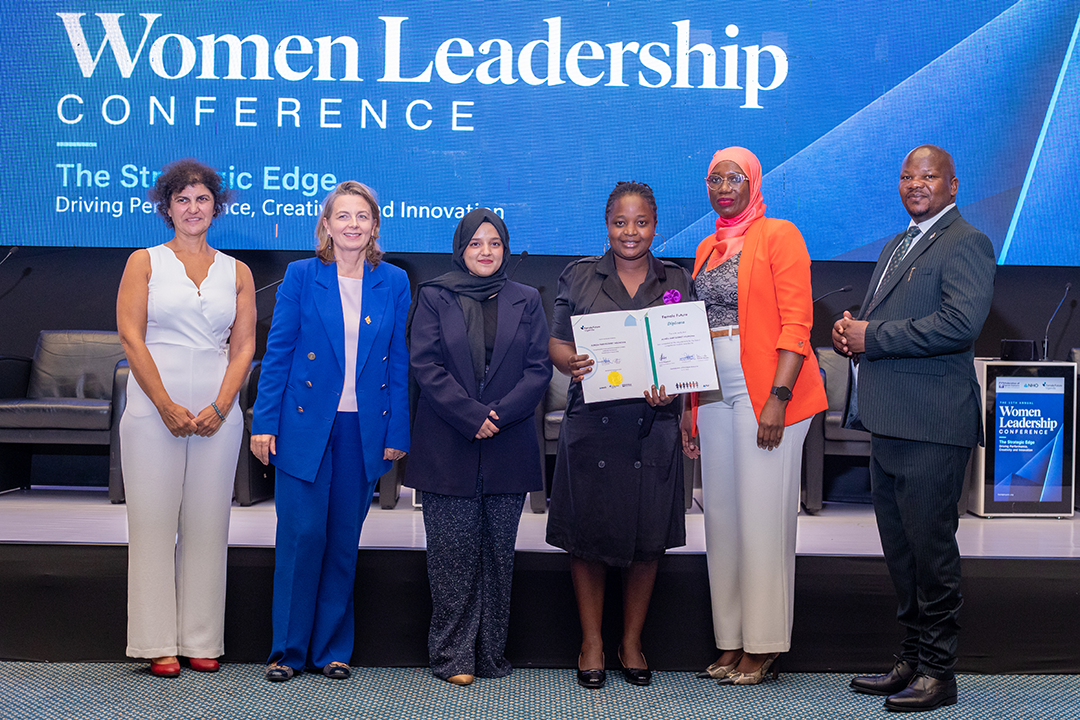
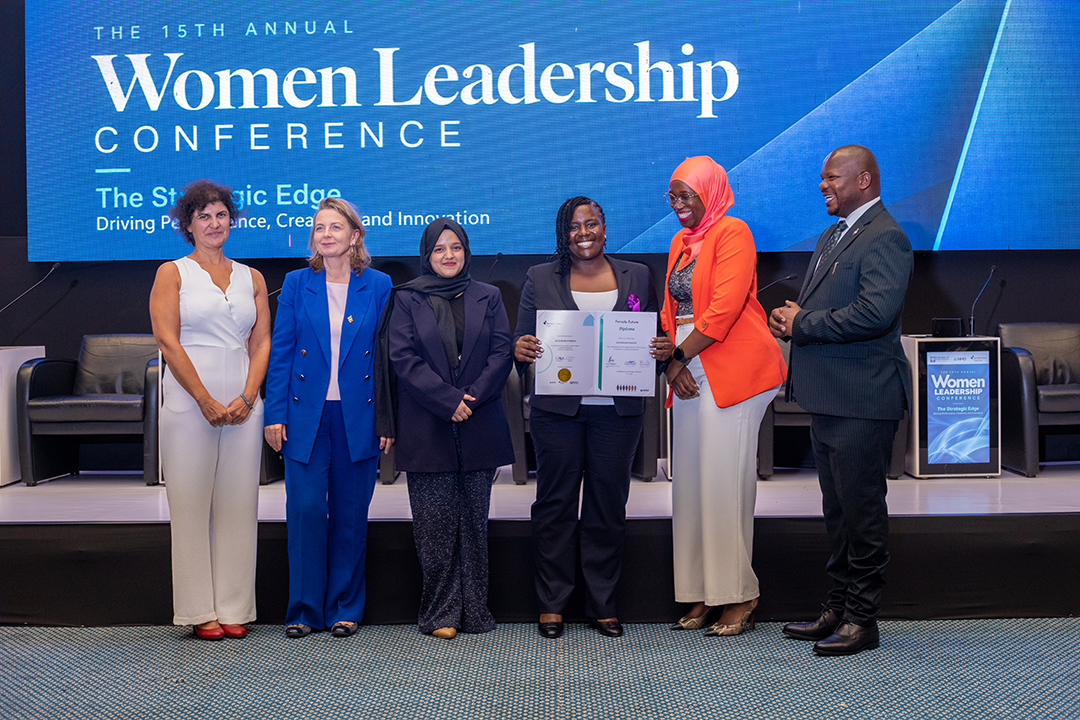
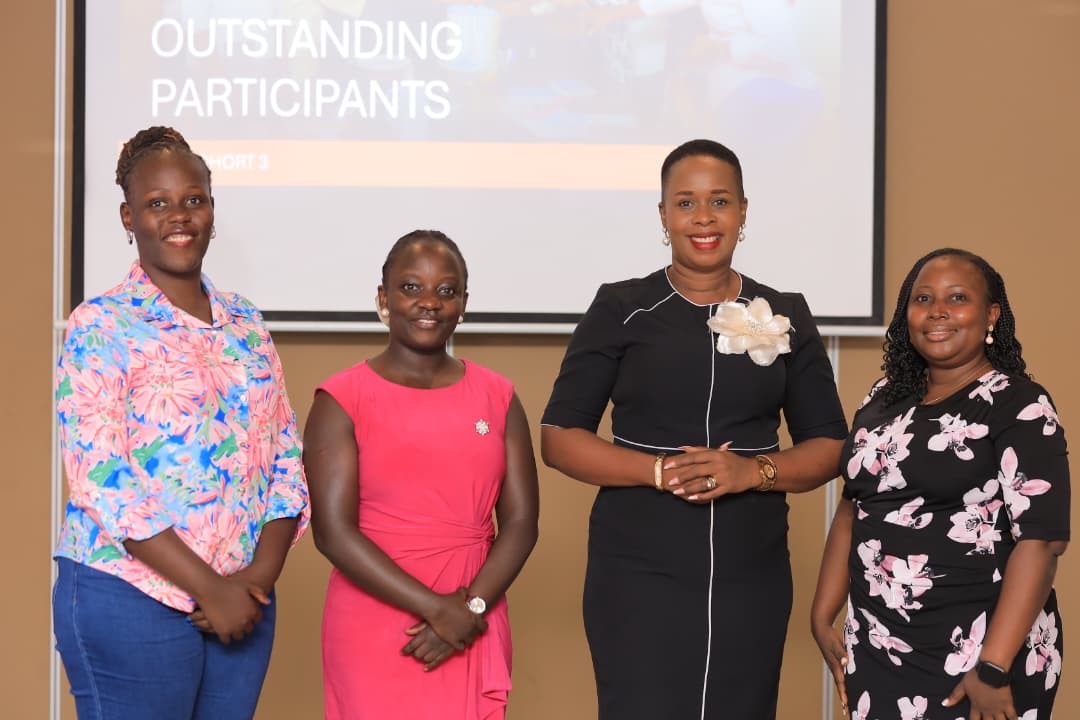
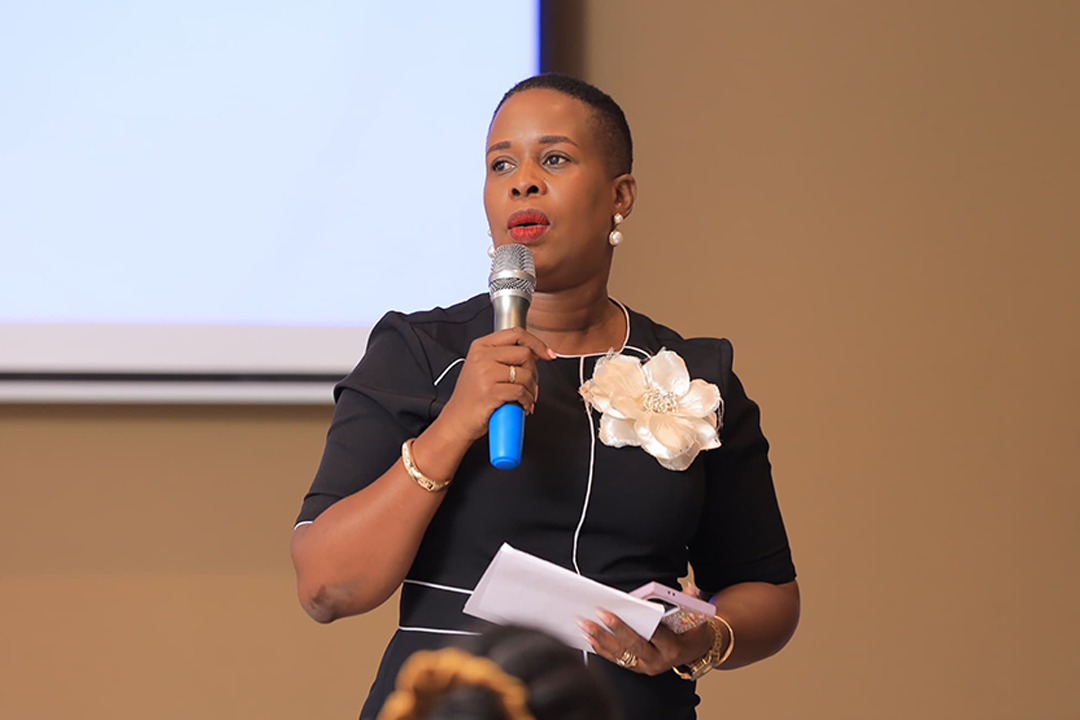
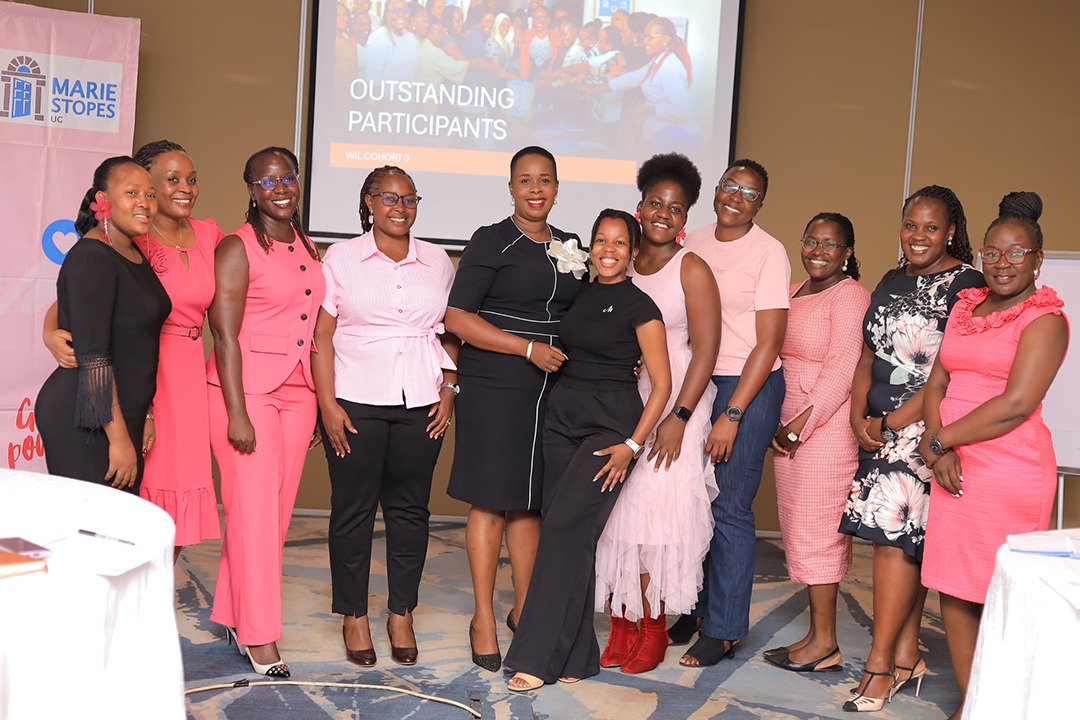
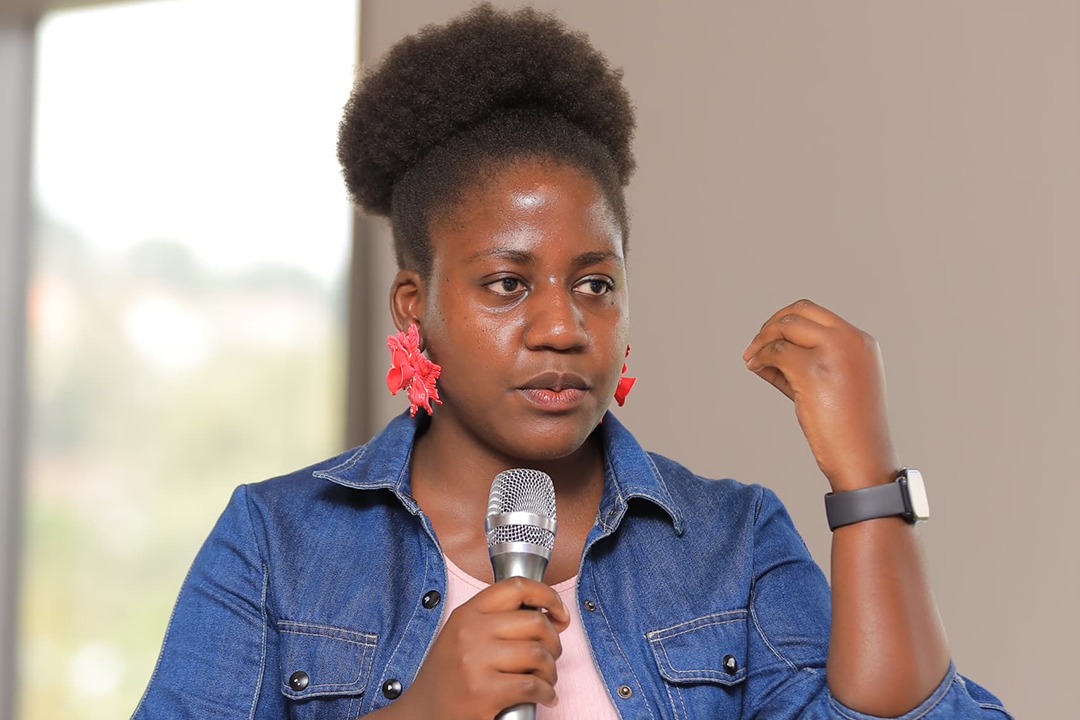
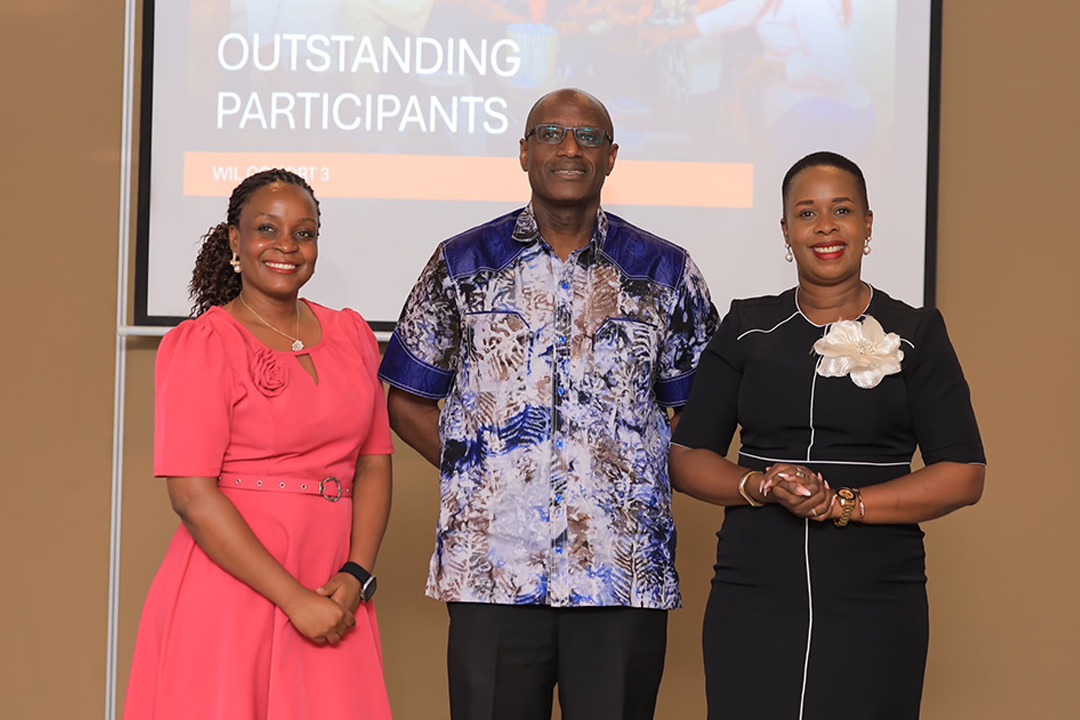
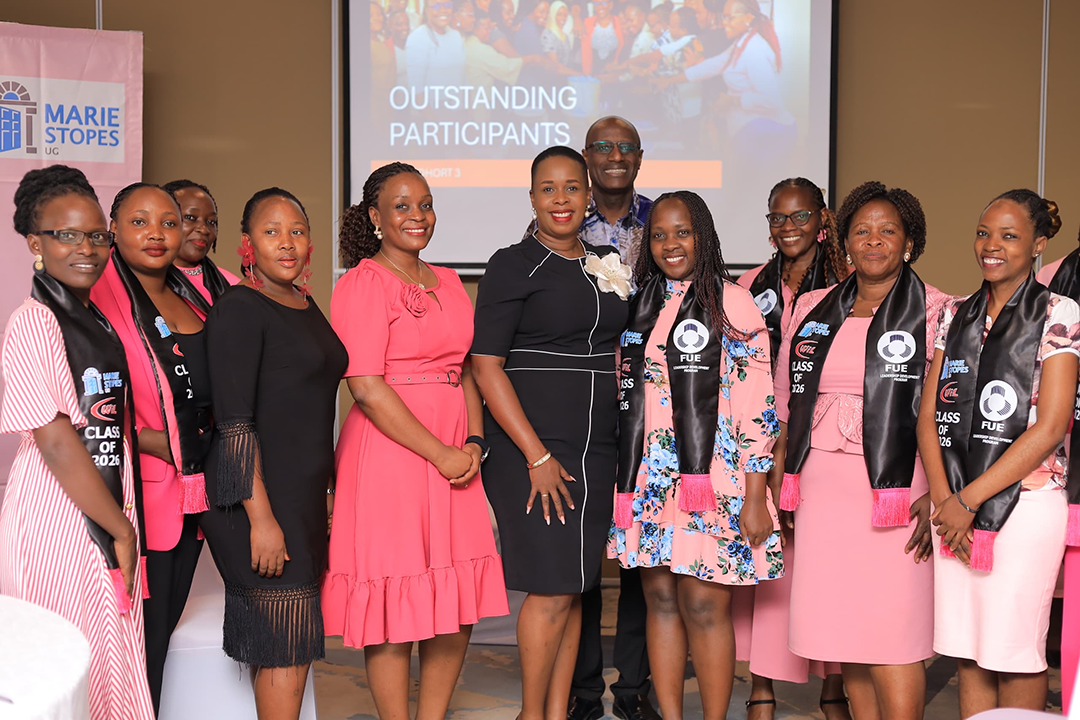
Over the years, FUE has been committed to supporting Employers promote gender equality at the workplace. On 8th October 2026, we were delighted to conduct the graduation of over 19 women leaders in Marie Stopes International (MIS) from the third cohort of the Women in Leadership (WIL) program. The theme was, ‘Own Your Voice, Build Your Confidence’. WIL was launched on 8th May 2026 attracting female leaders from diverse roles and levels of responsibility within MSI Uganda.
The graduation ceremony marked the culmination of a leadership development journey designed to strengthen women’s confidence, professional visibility, communication and influence in the workplace. The 2026 programme reinforced a fundamental principle on developing effective women leaders beyond training with emphasis on practical experience, challenging the status quo and investing in personal growth.
During the training, we adopted a practical, application-driven approach combining interactive virtual sessions, peer learning, leadership reflections and workplace assignments. Participants explored essential leadership competencies, including confidence and self-esteem, communication and public speaking, negotiation and stakeholder influence, navigating organisational power dynamics, emotional intelligence, conflict management and personal development. Each module challenged participants to put learning into practice speaking up in meetings, handling difficult conversations, influencing decisions, engaging stakeholders and taking greater ownership of their professional growth. As women leaders, clear leadership development, visible behavioral change and improved workplace performance was highlighted as benefits of the program.
Since the inception of the program, 100% of participants had intentionally applied lessons from the programme in their workplaces while 93.3% reported that the programme had strengthened their leadership capabilities significantly. Additionally, participants reported greater confidence in expressing ideas, taking initiative, resolving workplace conflicts, making decisions and delivering presentations to larger audiences. These outcomes demonstrate the value of connecting leadership development to real workplace experiences and creating opportunities for women to practice and strengthen their capabilities.
We believe leadership is not simply about holding a position of authority; it is about having the confidence to contribute, the courage to influence decisions and the ability to inspire positive change.
For a customised training suited to your organisation needs, contact Yusuf Nsubuga, the Training Manager, yusuf.nsubuga@fuemployers.org
THE 7th ANNUAL BHR FORUM
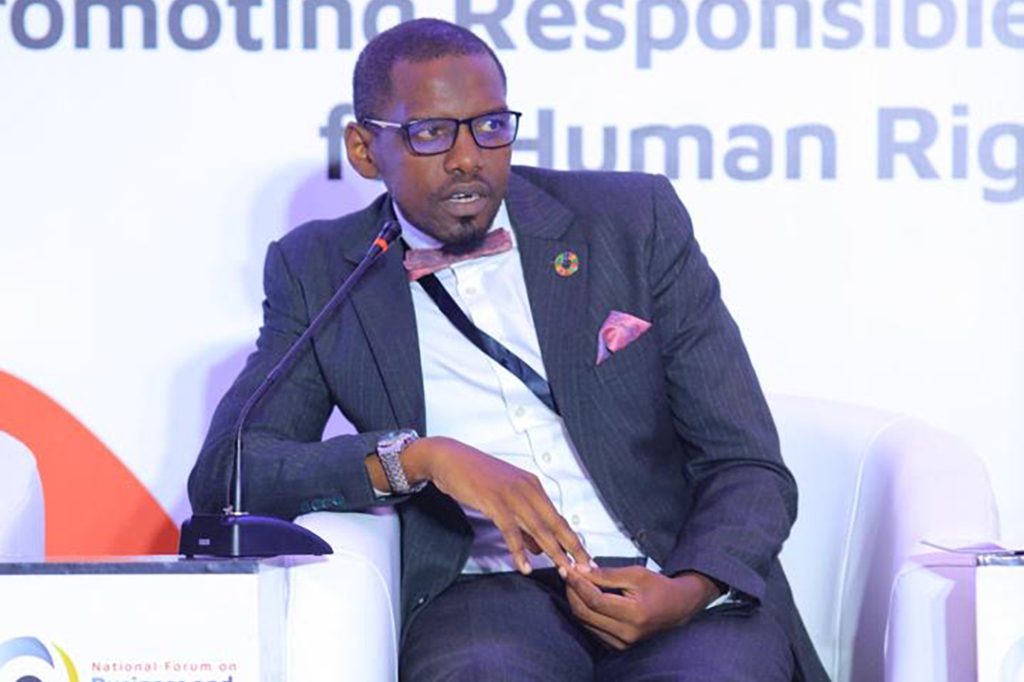
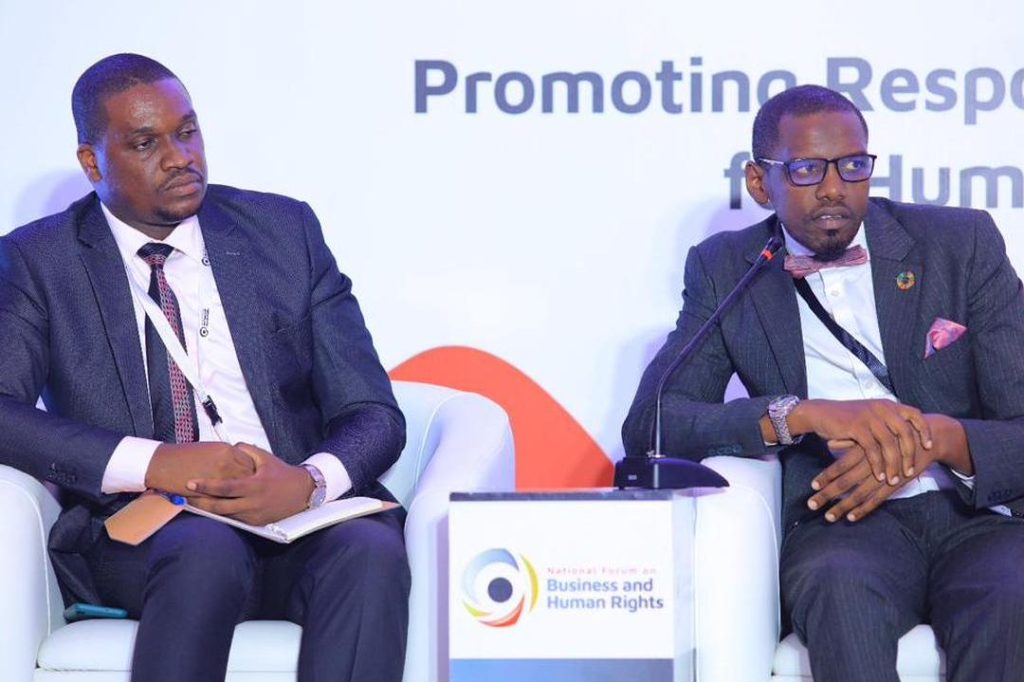
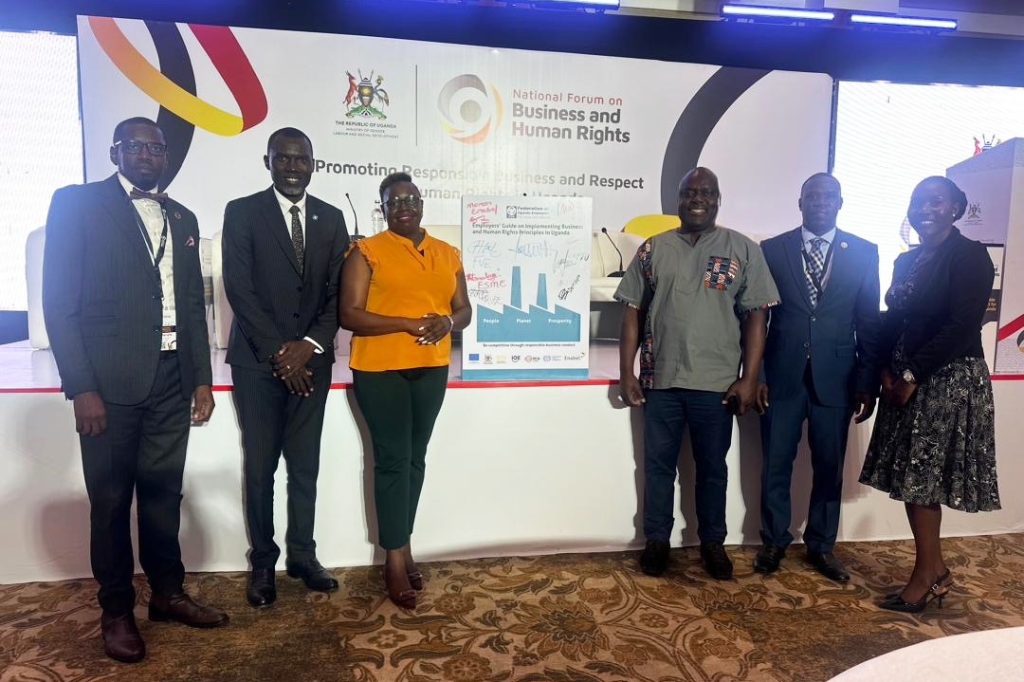
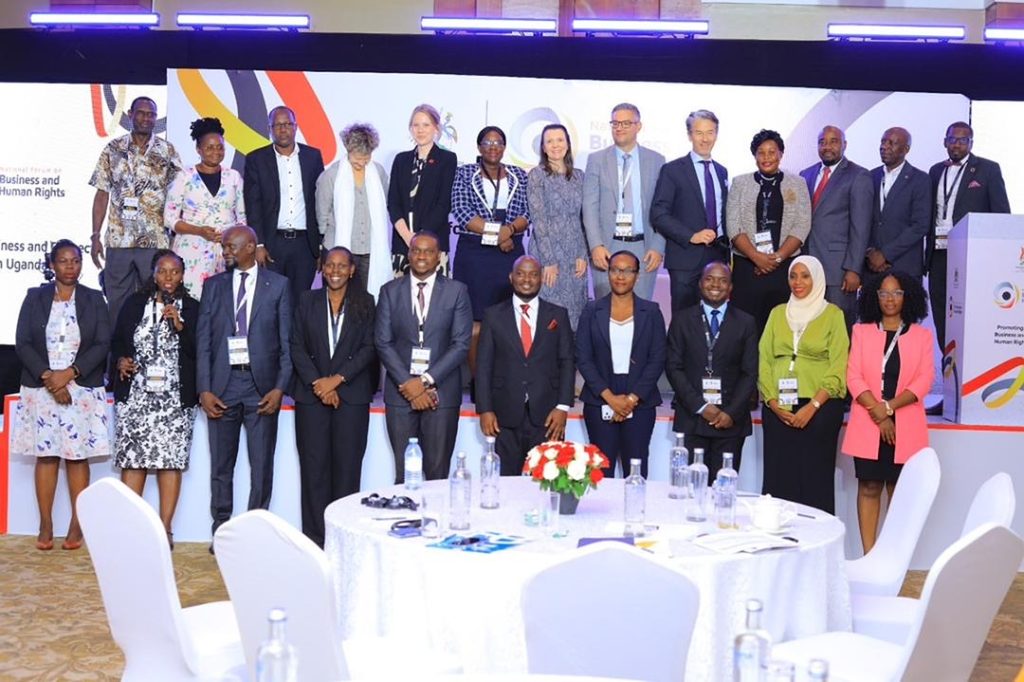
The 7th National Forum on Business and Human Rights(BHR) was convened from 26th to 28th October 2026. The theme was ‘Reflecting on Progress and Strengthening Commitment: The Journey of Uganda’s National Action Plan on Business and Human Rights’. The main purpose of the forum was to take stock of progress by the various stakeholders in the implementation of the UNGPs and Uganda’s NAP.
As a key stakeholder championing BHR initiatives in the workplace, we moderated a session on, ‘Integrating Human Rights Standards in Business Operations. This session led to the official launch of the ‘Employer’s Guide to implementing BHR principles in Uganda’.
The forum featured various sessions to share valuable insights on perspectives from the frontlines of moving from policy to practice, the deep dive of respecting Human Rights as well as the trends, experiences and lessons on corporate accountability in Uganda.
We reiterate our commitment to steer Ugandan businesses towards responsible business conduct and sustainability at workplaces. We look forward to collaborations and partnerships with relevant stakeholders including the Ministry of Gender, Labour and Social Development, Enabel and the European Union to promote BHR at national level.
Validation of the National Return and Reintegration Framework for Migrant Workers in Uganda
With hundreds of thousands of Ugandans seeking employment in the Gulf region and beyond, generating vital remittances that surpass five trillion Ugandan shillings, the country is reinforcing its the migration cycle through the development of the National Return and Reintegration Framework to ensure returning workers find economic resilience rather than vulnerability, and the overhaul of the national Pre-Departure Orientation and Training (PDOT) Programme.
Uganda stands at a transformative crossroads on how it manages the journey of its citizens abroad, shifting from reactive damage control to a structured, dignity-centred migration architecture.
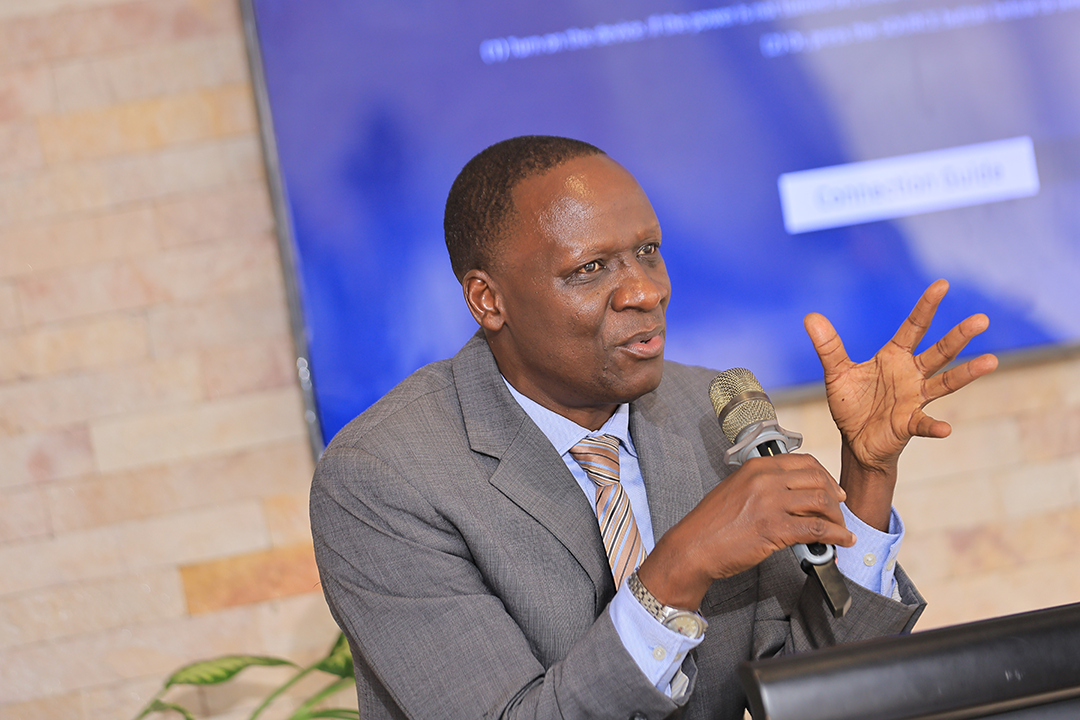
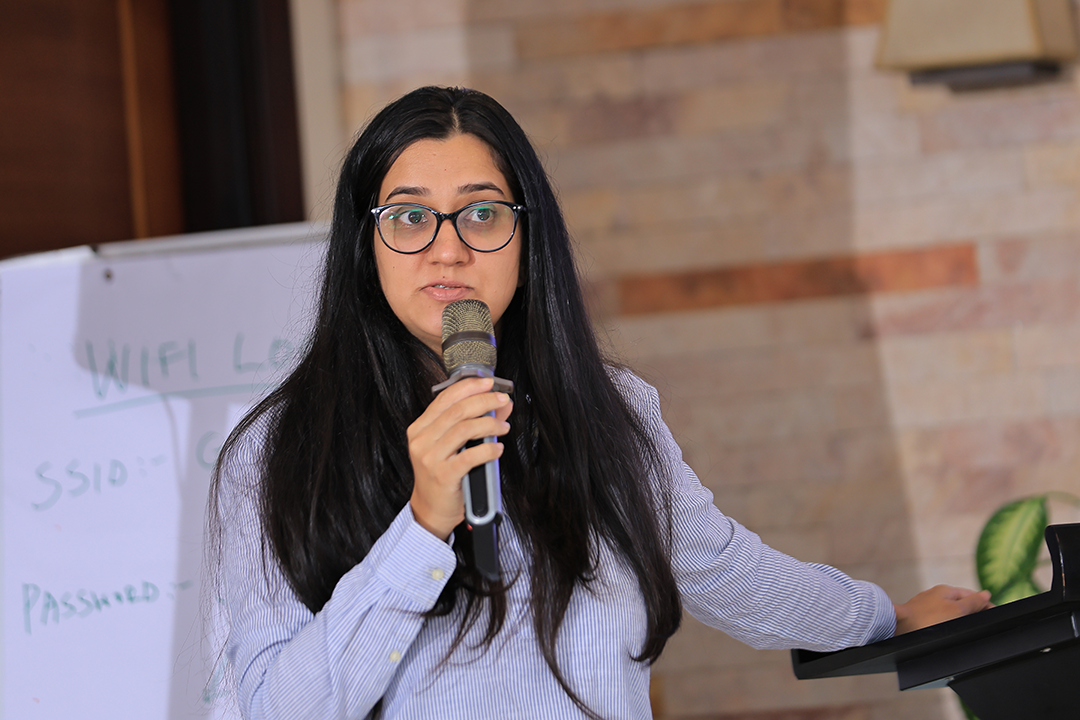
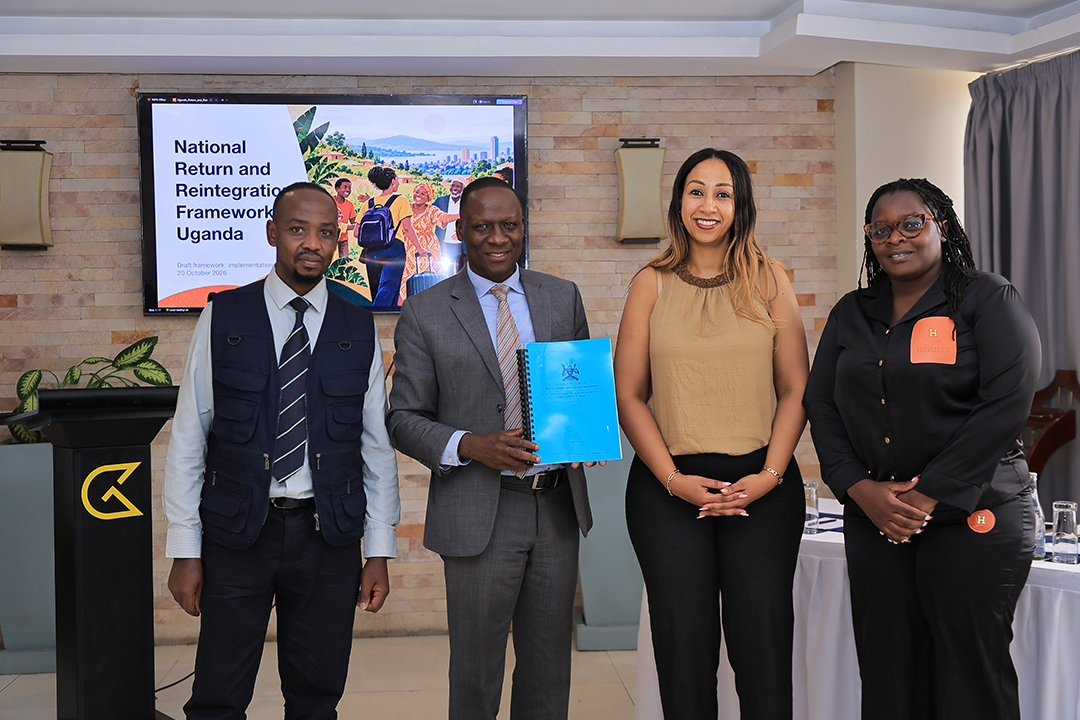
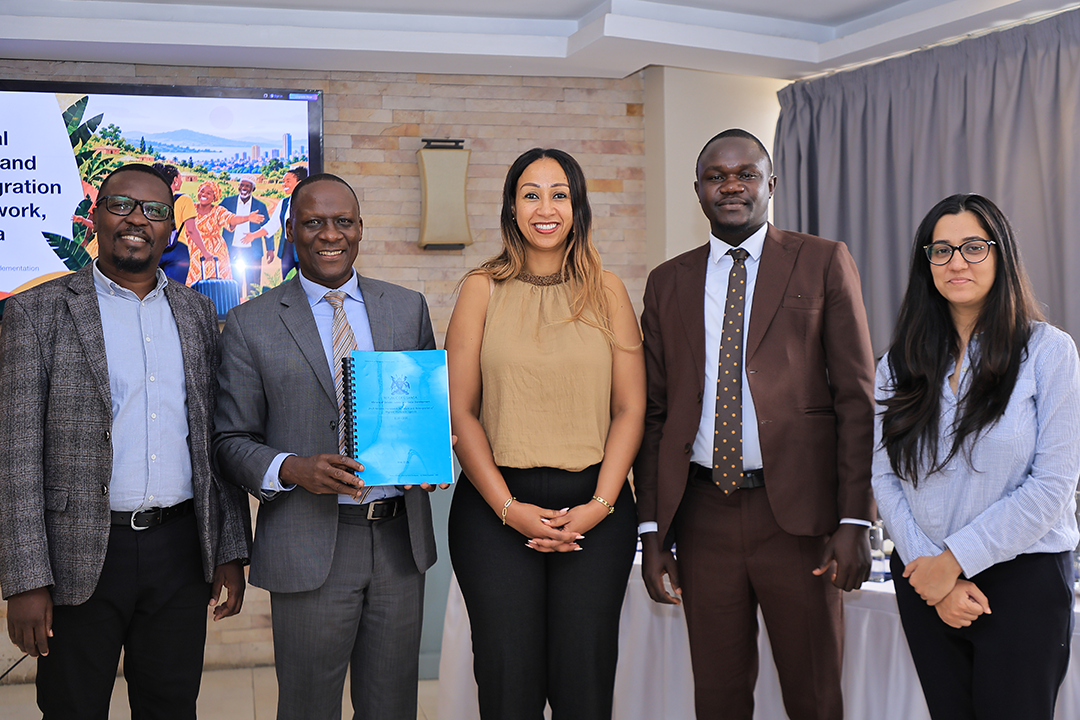
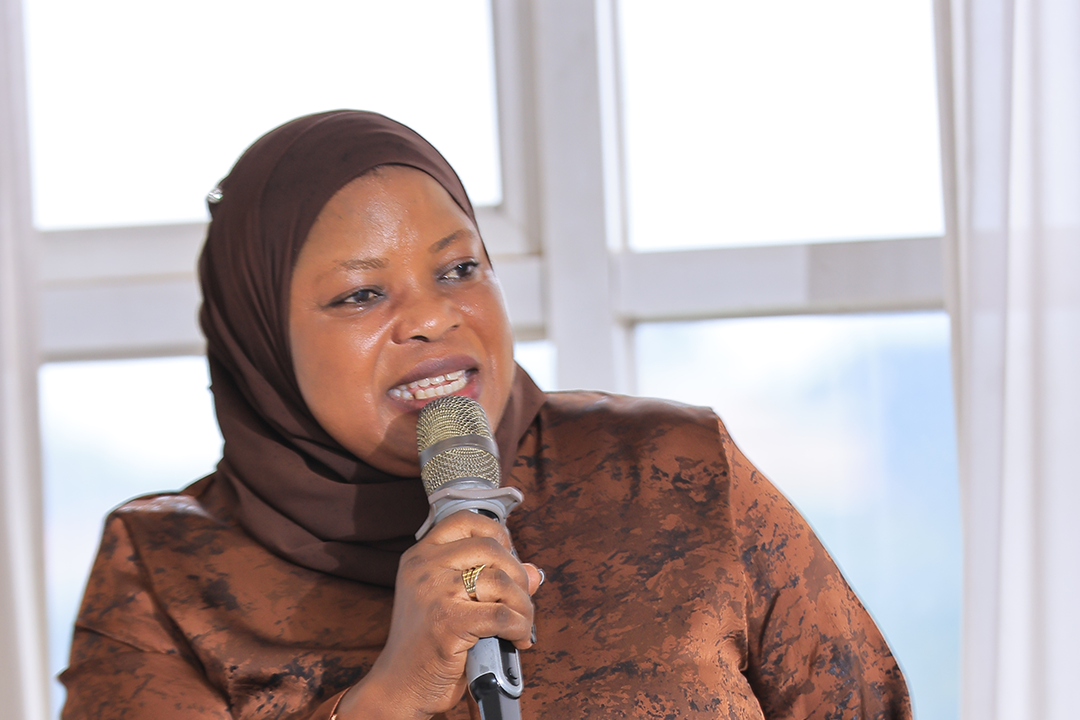
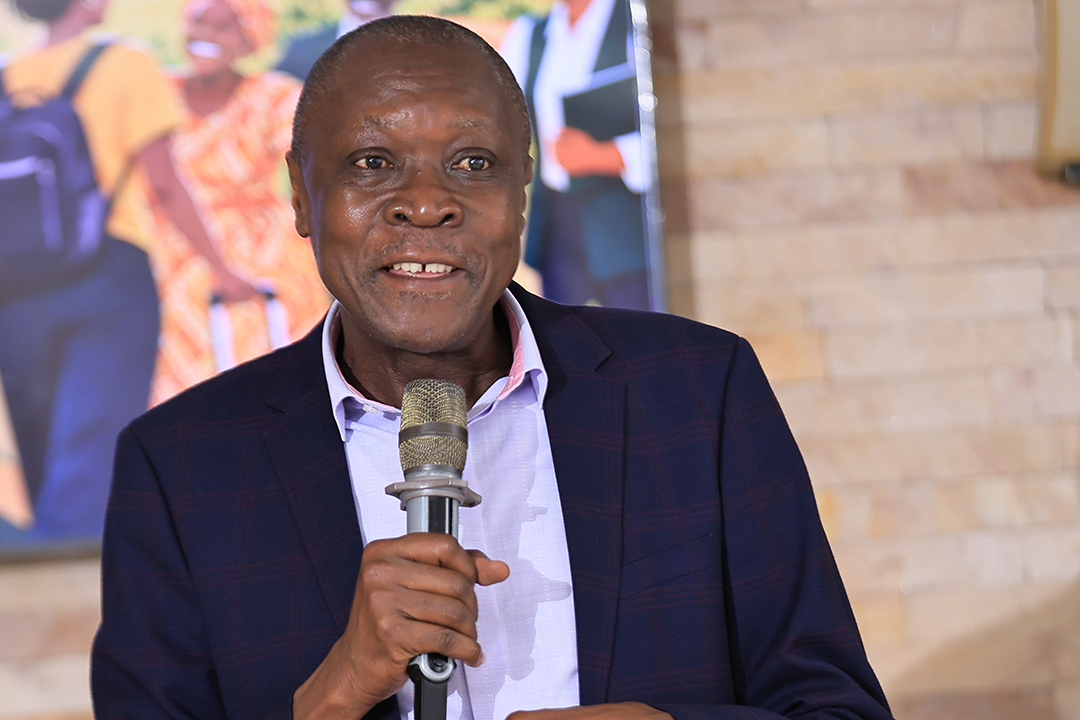
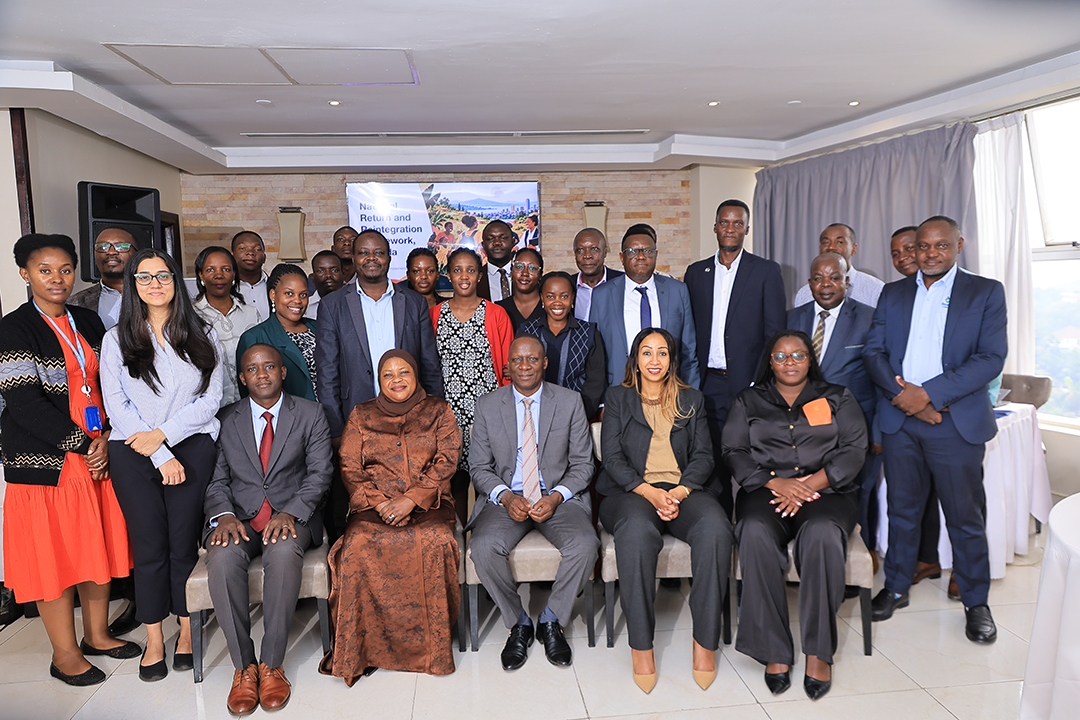
In light of this, the Ministry of Gender, Labour and Social Development (MGLSD), with support from the International Labour Organisation (ILO) under the UK FCDO-funded Better Regional Migration Management (BRMM), organised a 2-Day Workshop to validate the Draft National Return and Reintegration Framework for Uganda, and the revised Uganda’s Pre-Departure Orientation and Training (PDOT) programme for migrant workers from 20th to 21st October at Golden Tulip Hotel, Kampala.
The 2-Day Workshop was attended by representatives from MGLSD, ILO, and International Organisation for Immigration (IOM), Federation of Uganda Employers (FUE), National Social Security Fund (NSSF), National Organisation of Trade Union (NOTU), Uganda Association of External Recruitment Agencies (UAERA), and Pre-Departure Orientation and Training Institutions, among others. It was held on Tuesday 20th and Wednesday 21st October 2026 at Golden Tulip Hotel, Kampala.
The National Return and Reintegration Framework (2026 – 2031) is intended to guide a coordinated, rights-based and genderresponsive approach to supporting Ugandan migrant workers returning from abroad. It addresses the varied needs of returnees, including access to livelihoods, skills development, psychosocial support, social protection, entrepreneurship and other essential services. While, the revision Uganda’s Pre-Departure Orientation and Training programme for migrant workers aims to strengthen the relevance, quality and inclusiveness of PDOT by expanding occupational coverage and improving content on workers’ rights, fair recruitment, employment conditions, occupational safety and health, social protection, and access to support and grievance mechanisms. Draft revised materials include a PDOT manual, a Migrant Workers Information Handbook, and competency-based assessment and certification tools.
The fore mentioned national documents were validated and will soon be launched for implementation.
Uganda stands at a transformative crossroads on how it manages the journey of its citizens abroad, shifting from reactive damage control to a structured, dignity-centred migration architecture. Therefore, as the premier representative voice for employers, FUE is a key stakeholder in labour migration management. Its mandate bridges national policy formulation, ethical recruitment, and workforce integration for both incoming and outgoing labour.
THE FUE INDUSTRIAL RELATIONS CLINIC
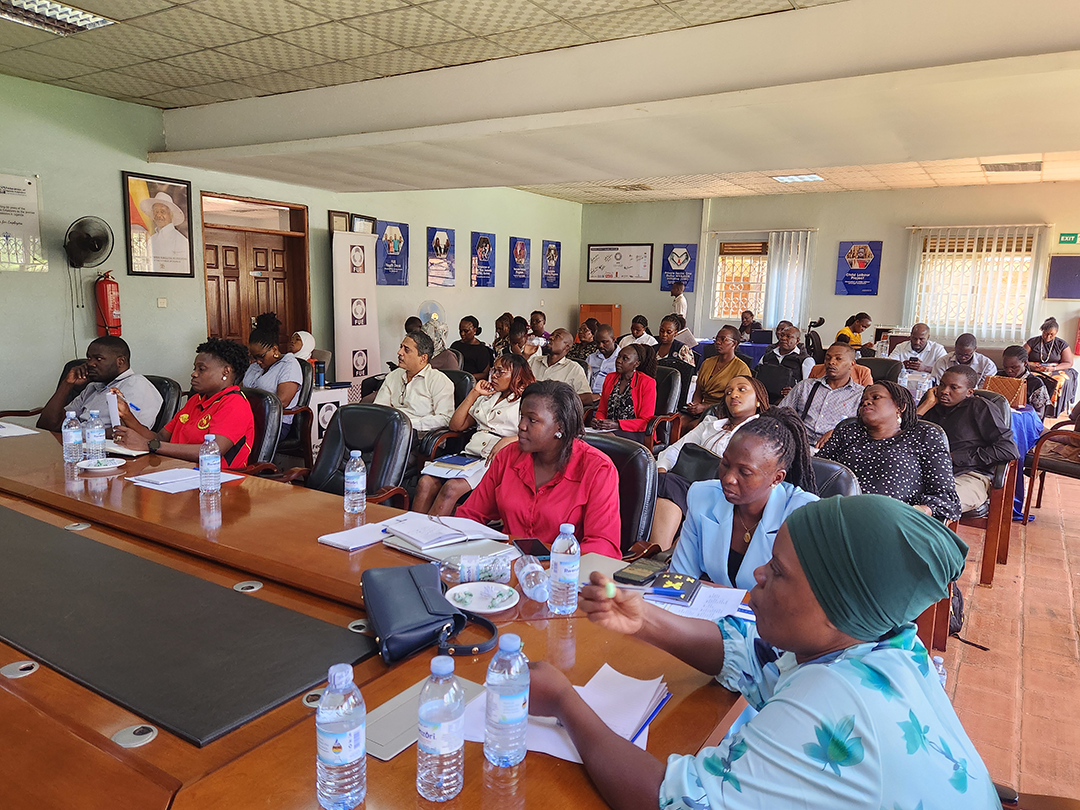
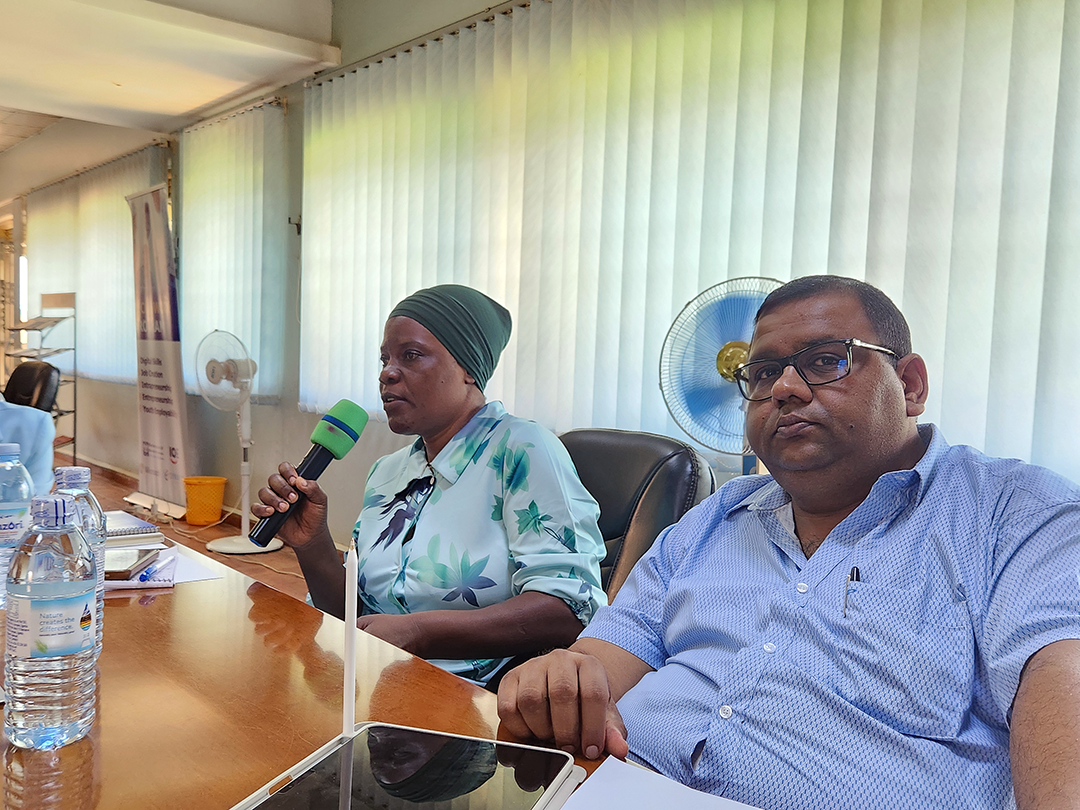
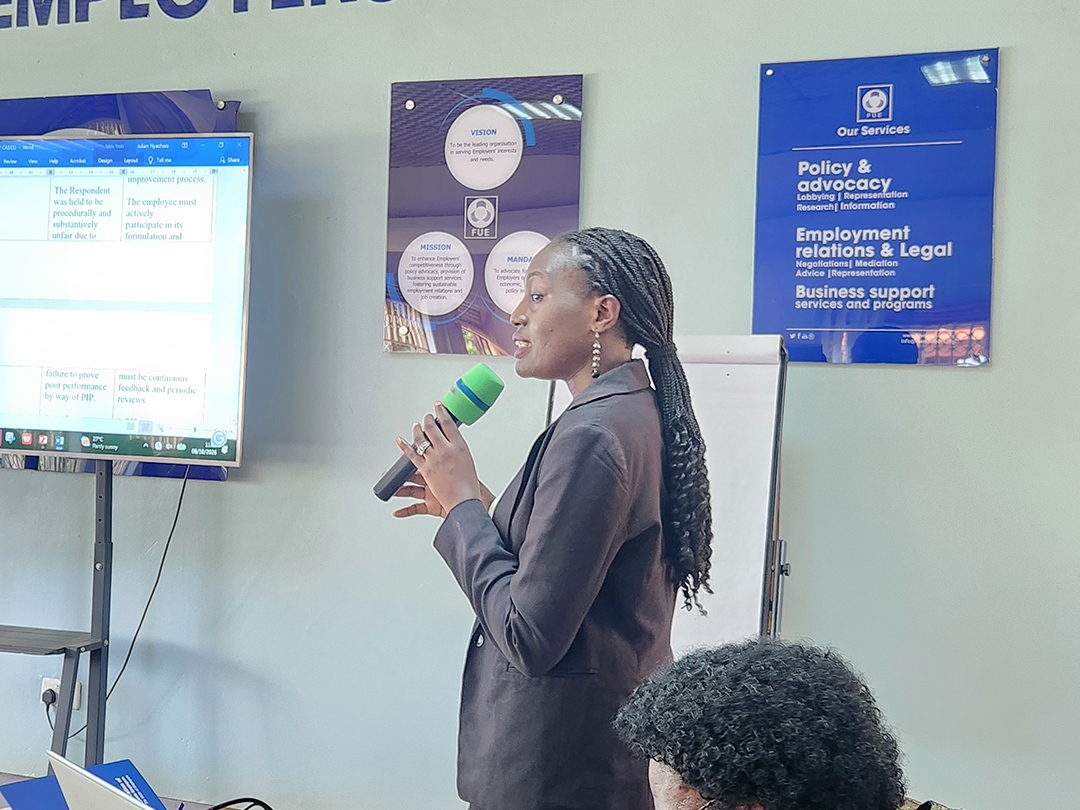
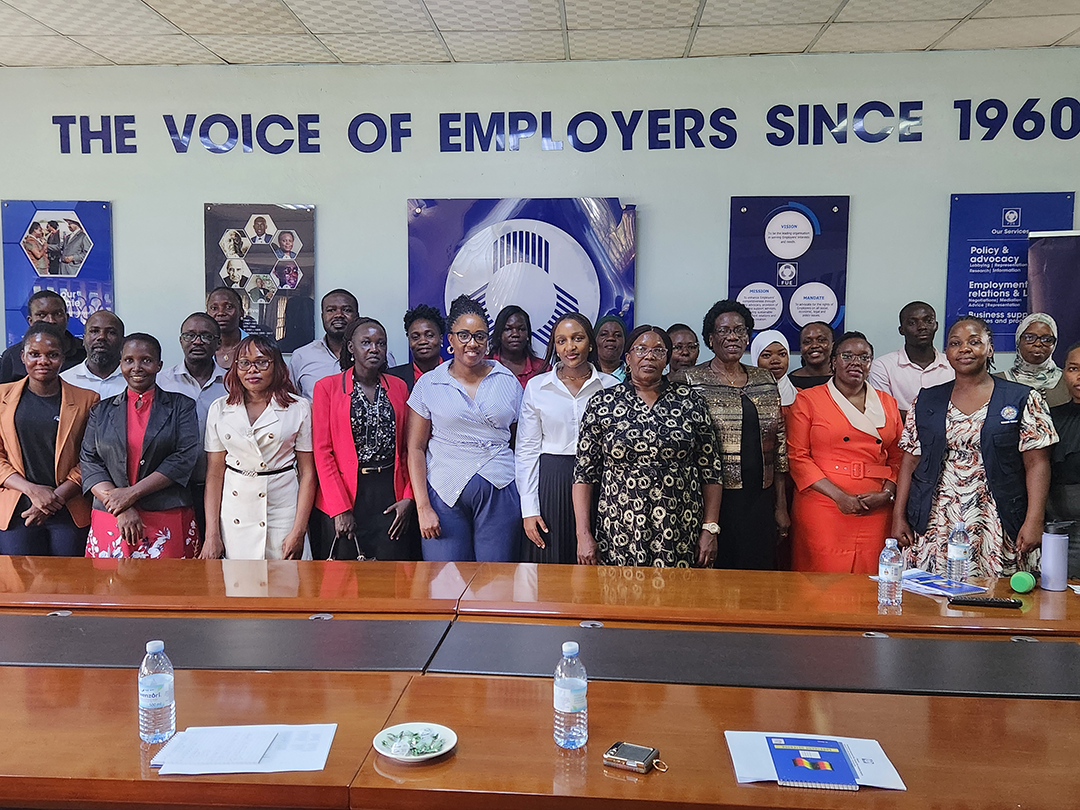
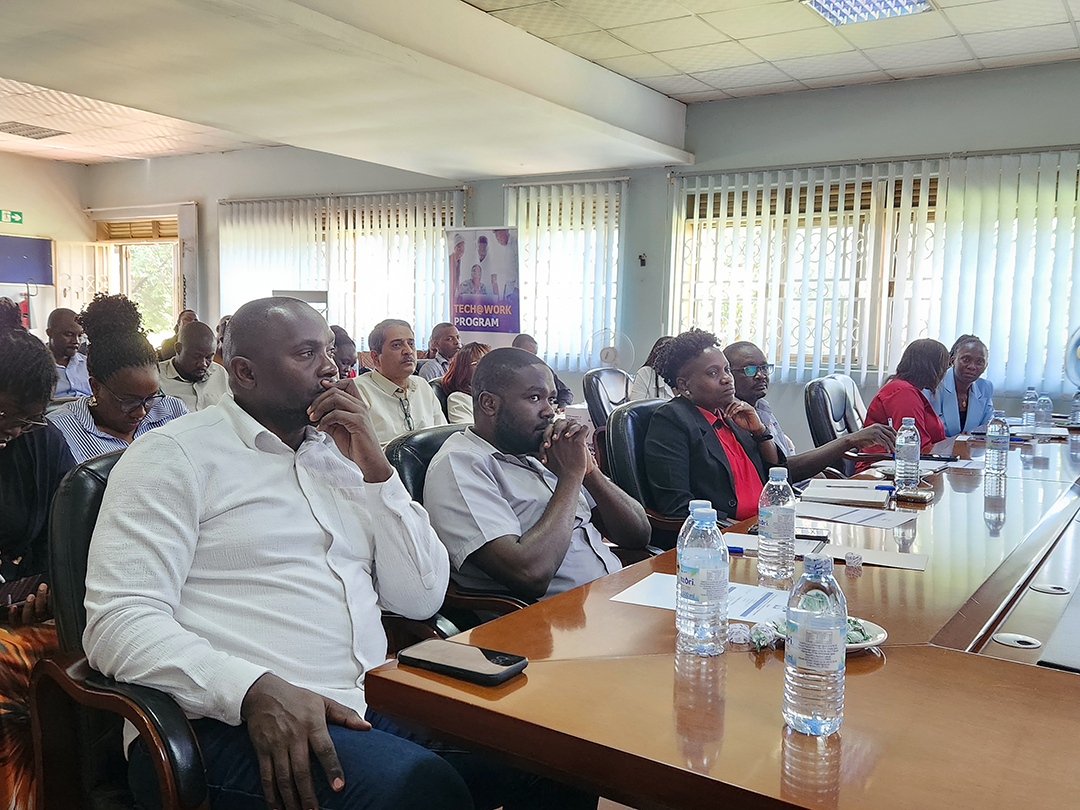
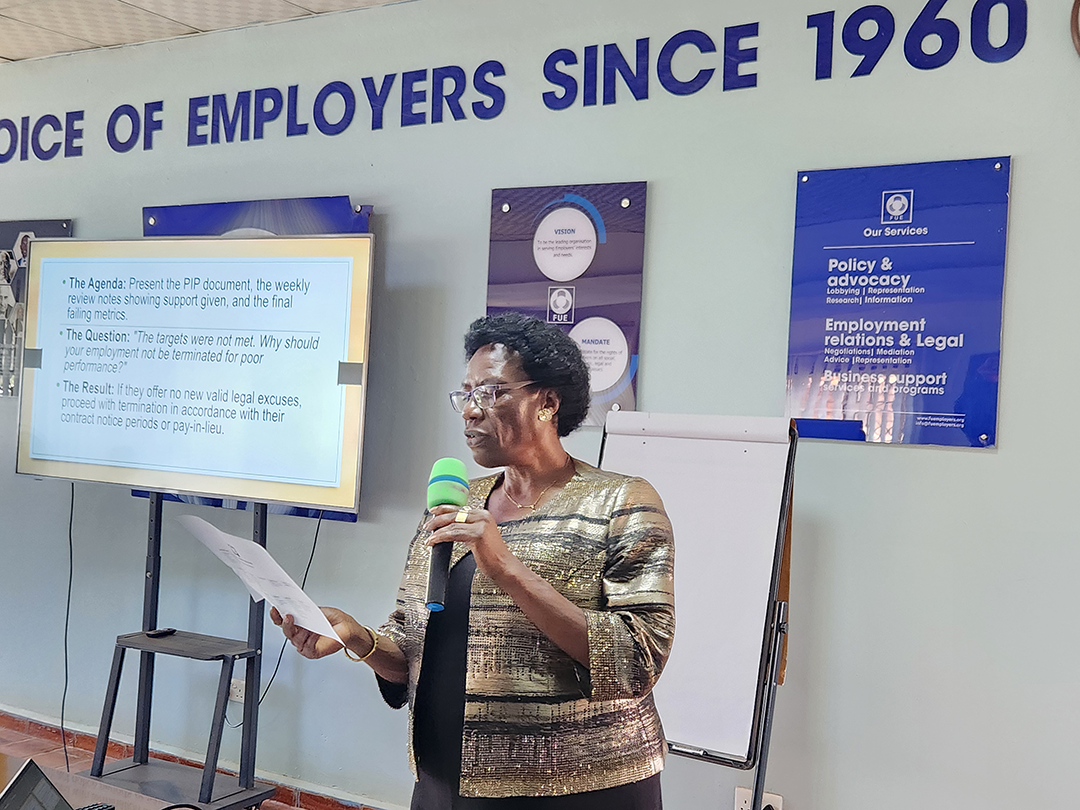
On 8th October 2026, we hosted the Performance Improvement Clinic at the FUE Training Centre in Kiwanga-Namanve. The topic was, ’Executing PIPs and Navigating Industrial Relations’. The training attracted HR Directors, Managers and Officers, Industrial Relations Practitioners, Legal and Compliance Officers, Managing Directors, CEOs and Business Owners as well as Heads of Department and Line Managers.
The PIP content covered the blueprint of defensible PIP, navigating industrial relations, the closure and document audit lab. Participants were enlightened to design, structure, and execute objective, legally compliant action plans that successfully diagnose underperformance and restore employee productivity, as well as apply current employment relations principles to workplace PIP case. A universal framework for managing underperformance to equips all leaders with the skills to implement PIPs with objective fairness, strict adherence to employment laws, and strategic risk management was emphasised.
A poorly drafted PIP frequently leads to workforce victimisation, constructive dismissal claims or union intervention. We are keen on ensuring compliance with the Employment Act, principles of natural justice and case law.
TRIPARTITE BELGIUM STUDY TOUR AND DWSP STRATEGIC MEETING
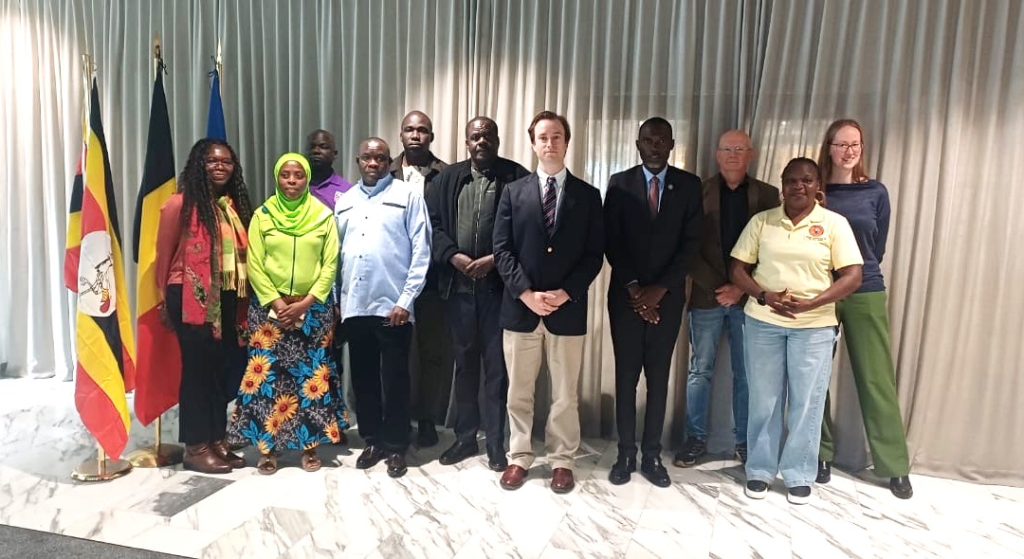
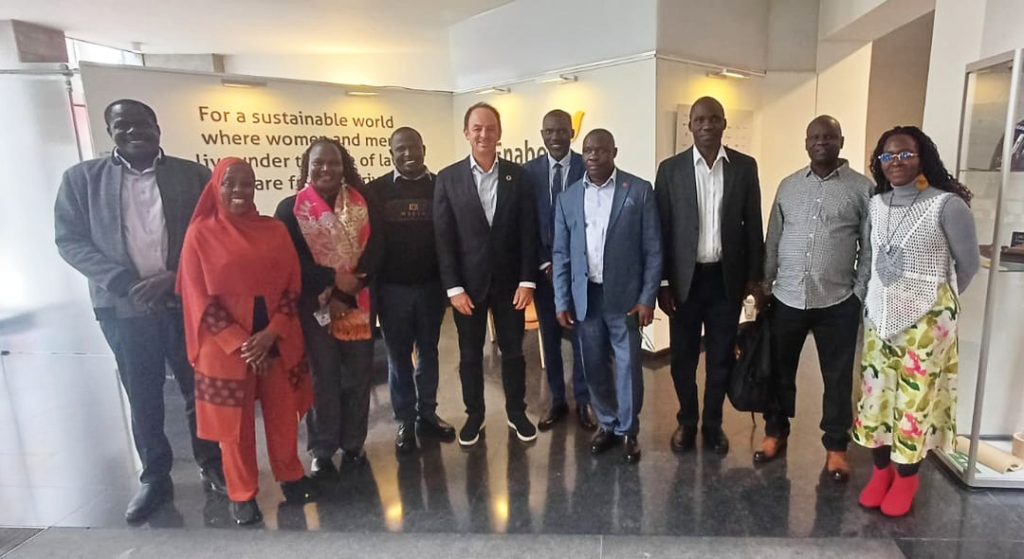
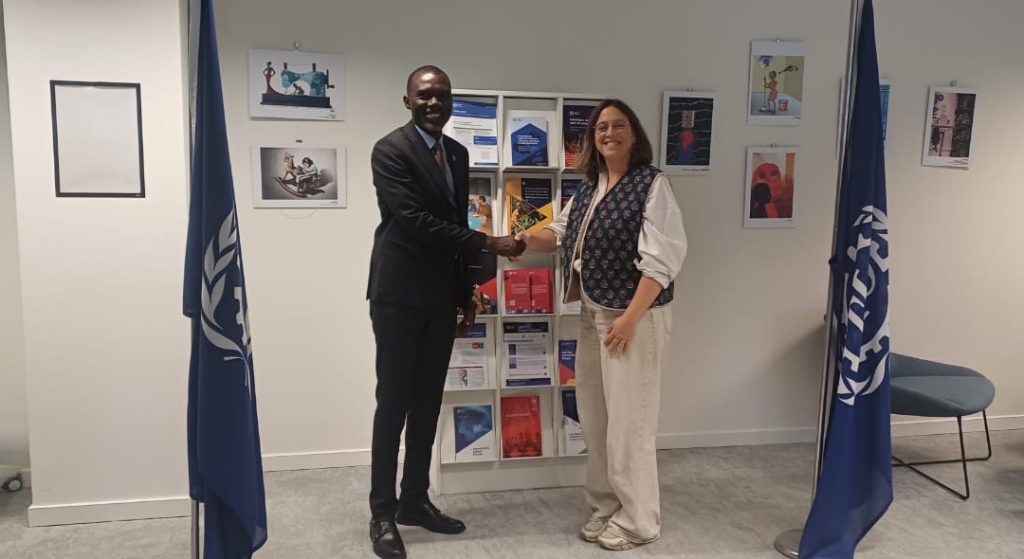
As a key tripartite partner in Uganda’s Employment sector, we were delighted to participate on a study tour and benchmarking visit to Belgium, the Decent Work and Social Protection (DW & SP) Project strategic meeting and closing RCARI closing event in Paris. The study tour and benchmarking visit from 13th to 16th October 2026 was designed to provide the Uganda tripartite delegation with first-hand exposure to Belgium’s well-established social dialogue system and collective bargaining architecture at national, sectoral and enterprise levels. Our Chief Executive Officer, Douglas Opio represented Employers on this excursion.
During the study tour, key areas of engagement included;
- Understanding the legal and institutional framework underpinning Belgium’s tripartite social dialogue system
- Learning how national and sectoral collective bargaining processes are organised, facilitated and implemented
- Engaging with Employers’ organisations
- Examining enterprise level experiences of collective bargaining and worker representation
- Understanding trade union approaches to worker representation, collective bargaining, leadership development and dispute resolution
- Exploring good practices on inclusiveness in social dialogue including women’s participation, gender-responsive labour policies, migrant workers’ rights and workplace non-discrimination
- Participation in a concluding workshop to identify lessons relevant to Uganda, develop recommendations for strengthening social dialogue mechanisms and explore future cooperation opportunities between Uganda and Belgium partners.
Additionally, the DWSP strategic meeting from 19th to 22nd October brought together research, policy and operational partners to disseminate research findings, promote policy dialogue, translate evidence into programming and strengthen partnerships and visibility for the regional Decent Work and Social Protection portfolio within Brussels donor and policy ecosystem.
Over the years, FUE has been keen to work with various stakeholders to promote decent work, good industrial relations and create a conducive work environment to boost sustainable growth at national and international level.
EMPLOYERS’ CONSULTATIVE MEETING ON EMPLOYMENT AND WORKING TIME REGULATIONS
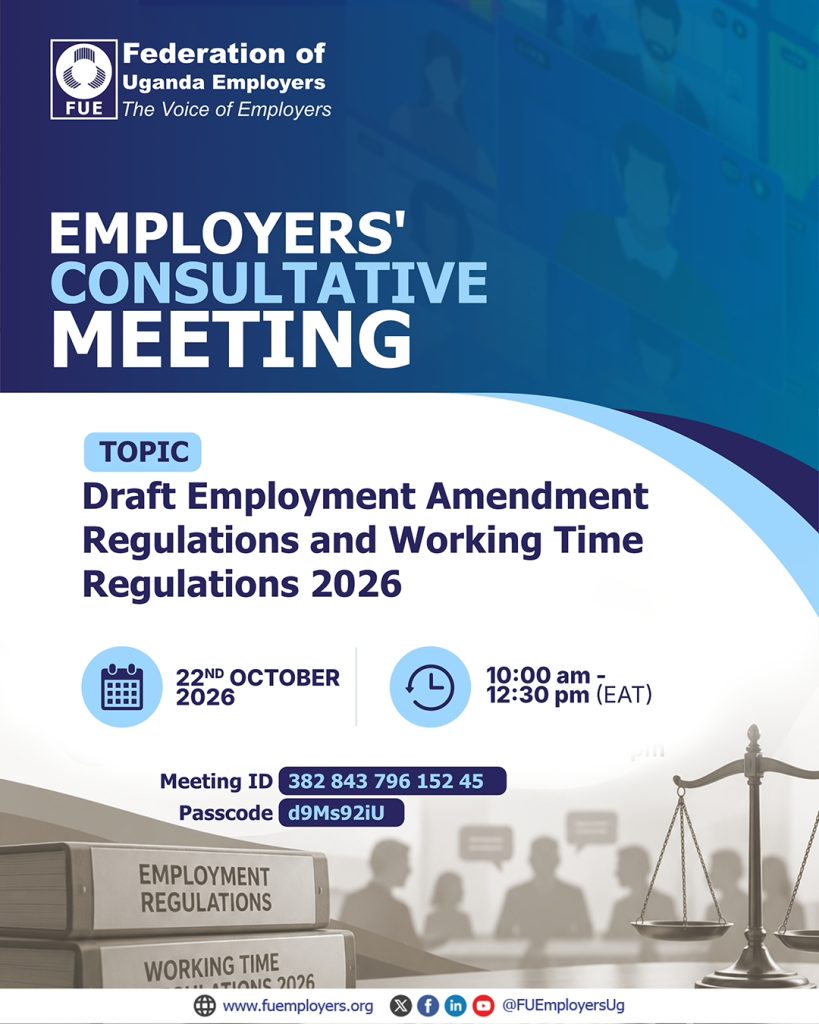
As we aware, the Employment Amendment Act came into force in Uganda on June 5, 2026, marking the first major overhaul of the country’s labor laws since 2006. In a bid to keep Employers informed on legal matters, we convened a consultative meeting on the draft Employment Amendment and Working Time Regulations 2026 on 22nd October 2026. The meeting was to ensure Employers as key stakeholders share their views on the statutory documents.
During the meeting facilitated by the FUE Employment Relations and Legal team, a variety of issues were discussed pertaining to contracts, recruitment and casual work enshrined in the draft employment amendment regulations. The aspects of annual leave, rest days, normal work time were also reiterated under the draft working time regulations.
We believe business leaders and Human Resource practitioners have a role to play in developing various statutory instruments to promote legal compliance at the workplace.
FUE NEW MEMBER ALERT
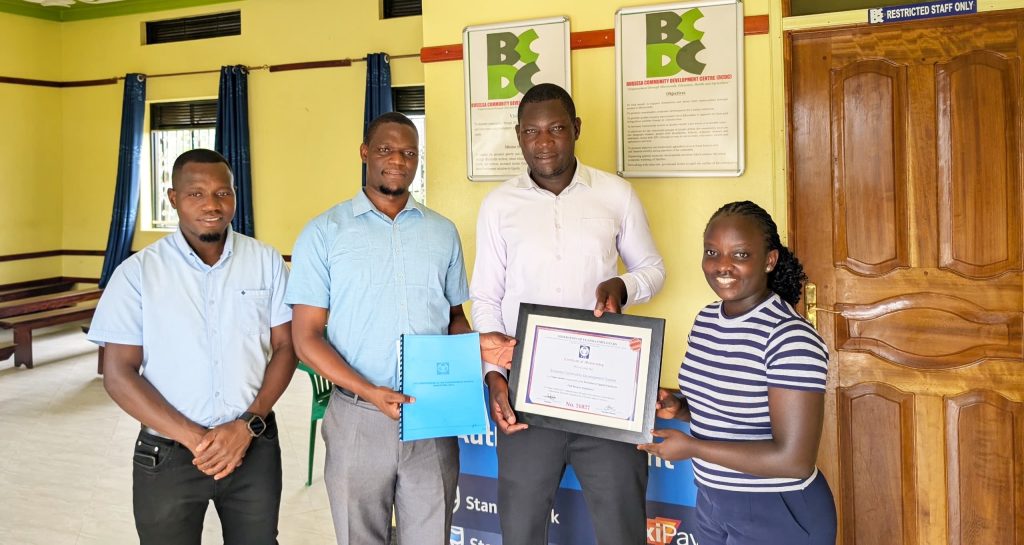
We are delighted to welcome Busesa Community Development Centre (BCDC) to the FUE family. BCDC is dedicated to empowering communities and transforming lives through comprehensive programs in micro-credit, education, health, and agriculture.
Become an FUE member today to benefit from a variety of services and a wide network of business professionals.
For inquiries contact info@fuemployers.org | 0392 777 410.
FUE STAFF COMMENTARY
Promoting Mental Health Awareness in Workplaces
Did you know Uganda ranks second in sub-Saharan Africa for workforce stress at 57% trailing only Chad at 58%? These numbers are alarming because we actually spend a third of our lives at the workplace.
On 10th October annually, World Mental Health Day is commemorated globally to raise awareness of mental health issues around the world and to mobilise efforts in support of mental health. The day provides an opportunity for all stakeholders working on mental health issues to talk about their work and what more needs to be done to make mental health care a reality for people worldwide. The 2026 theme is, ‘Lived Experience Heard: Real Voices, Real Change’.
Recent studies indicate that approximately 20% of Ugandans experience some form of mental health disorder during their lifetime. Common conditions include Depression, Anxiety Disorders, Post-Traumatic Stress Disorder (PTSD), and Bipolar Disorder. Women and young people are particularly vulnerable. For instance, depression affects roughly 9-12% of women in Uganda, often linked to economic stress, domestic responsibilities, and trauma. Anxiety disorders are also on the rise, with estimates suggesting about 8% of the adult population experiences significant anxiety symptoms.

Additionally, 15% of working adults live with a mental disorder, 12 billion workdays lost yearly to depression and anxiety alone, only 20% of employees worldwide actively engaged at work, costing the global economy $10 trillion in lost productivity in 2025. In the East African region, Uganda sits at 55% on Gallup’s 2026 Daily Stress Profile, slightly down from 57% in 2023, but still among the 10 most stressed countries in Sub-Saharan Africa; now ranking Rwanda #2 highest at 59%, seen by a massive surge in reported workplace tension, placing it among the most stressed cohorts globally.
Despite these statistics, Uganda has roughly 0.08 psychiatrists per 100,000 population, which is far below global recommendations. Most psychiatric services are concentrated in Butabika National Referral Mental Hospital and a few urban hospitals.
On this Mental Health Day, let’s stand in solidarity to ensure we spread awareness, speak with kindness and solicit support for mental health at work. Stop the stigma, end the shame and always check-in on your friends and family whenever they are distant, isolating or suddenly aggressive. Encourage someone to speak up, listen more and prioritise your well-being’.
It is okay to rest. It is okay to cry. It is okay to ask for help.
• BE KIND
• SPEAK UP
• ASK FOR HELP
• BUILD A SUPPORT SYSTEM
• REST
Remember, ‘A healthy mind is the foundation of overall well-being, influencing your physical health, daily choices, and inner peace’.
Happy World Mental Health Day!
By Ruth Atim, Communications Officer
UPCOMING EVENTS
- 00Days
- 00Hours
- 00Minutes
- 00Seconds