ISSUE 88 | MAY 2026
FUENEWS
THE VOICE OF EMPLOYERS
FUE CEO MESSAGE
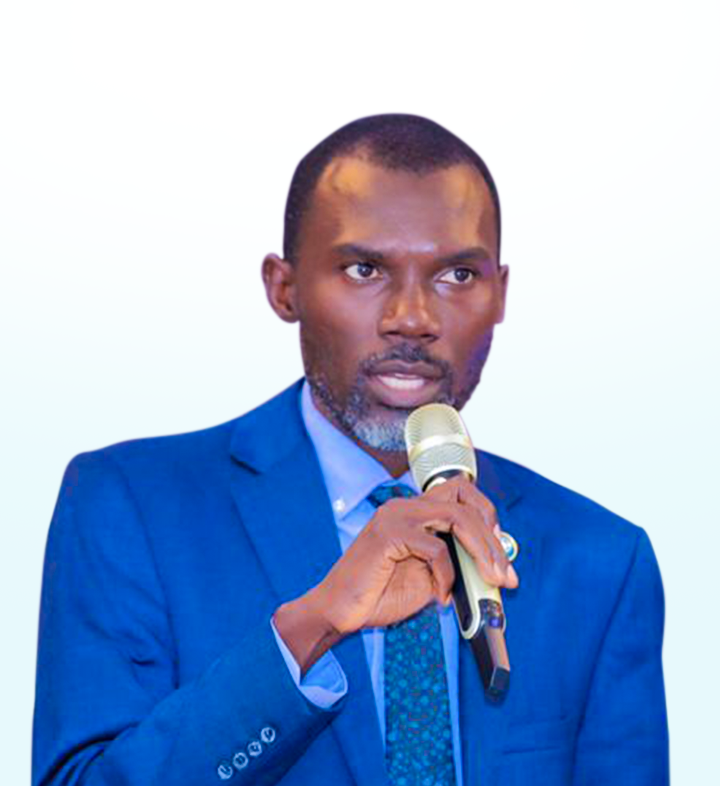
Dear Esteemed Member,
2026 has been marked by national general elections in which His Excellency Yoweri Kaguta Museveni emerged victorious in the presidential seat and is set to serve his seventh term. On behalf of the Employers in the country, we wish the President and his newly elected cabinet a fruitful tenure of service over the next five years.
As key actors in the labour market, we are always honoured to celebrate and recognise outstanding individuals on International Labour Day. Allow me take this opportunity to congratulate our very own Ms Mona Ssebuliba, the FUE Vice-Chairperson and Mr. Simon Harvey, a Governing Council member on their award of the diamond jubilee medal. This recognition is a clear validation of the vital role of Employers in socio-economic transformation.
In the same vein, we are pleased to announce that the consultative reforms of tripartite partners including Employers has bore fruit with the assention of the Employment (Amendment) Act 2025. Once the Act is gazetted, we will disseminate it and continue our role under the Employment Relations and Legal function to sensitise and guide Employers on the implementation of the Act to advance decent work and economic growth.
Onwards and Upwards in strengthening the Employers fraternity!
Thank you,
Mr. Douglas Opio
The Chief Executive Officer, FUE.
INSIDE THIS ISSUE
- FUE CEO Message
- The FUE-CEO Breakfast Meeting
- International Labour Day 2026
- Stakeholders Capacity Building on Social Security Standards
- Webinar on Mental Health at Work
- ACCEL Project Partner Onboarding and Orientation
- FUE-DI Conduct Gender Equity Visit for Employers
- FUE Member Engagement
- FUE Staff Commentary
- Upcoming Events

THE FUE-CEO BREAKFAST MEETING
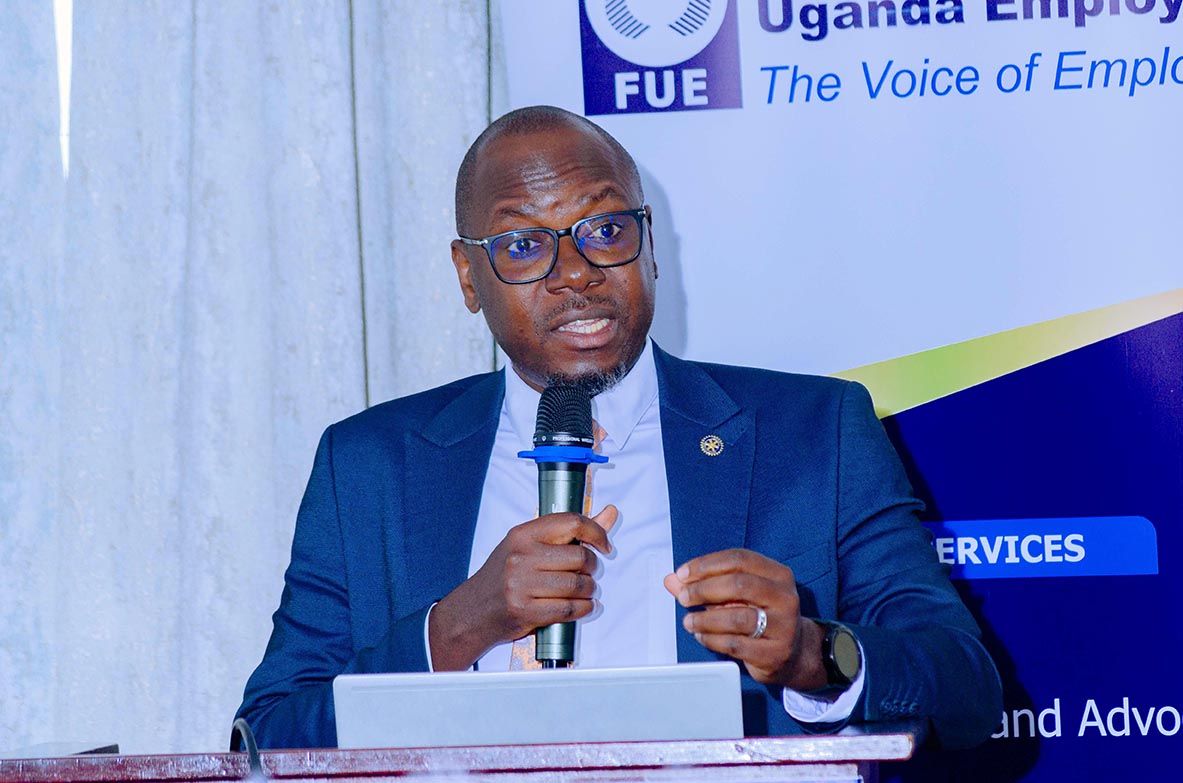
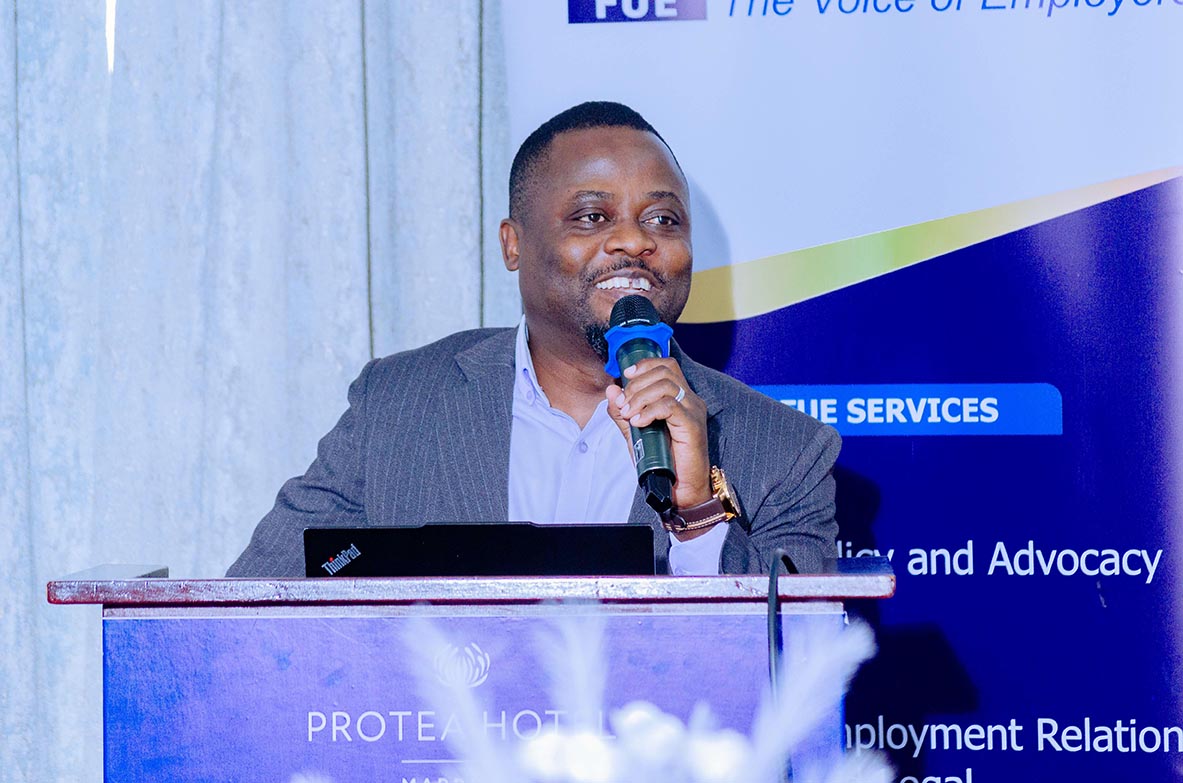
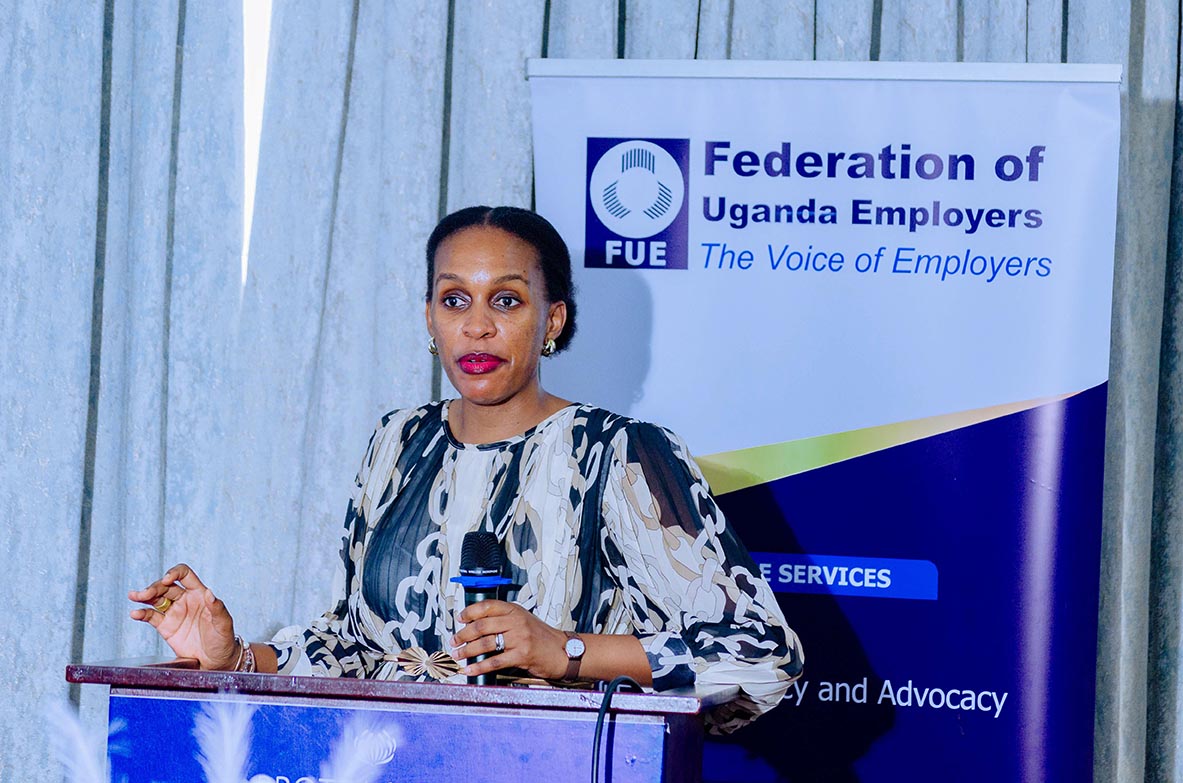
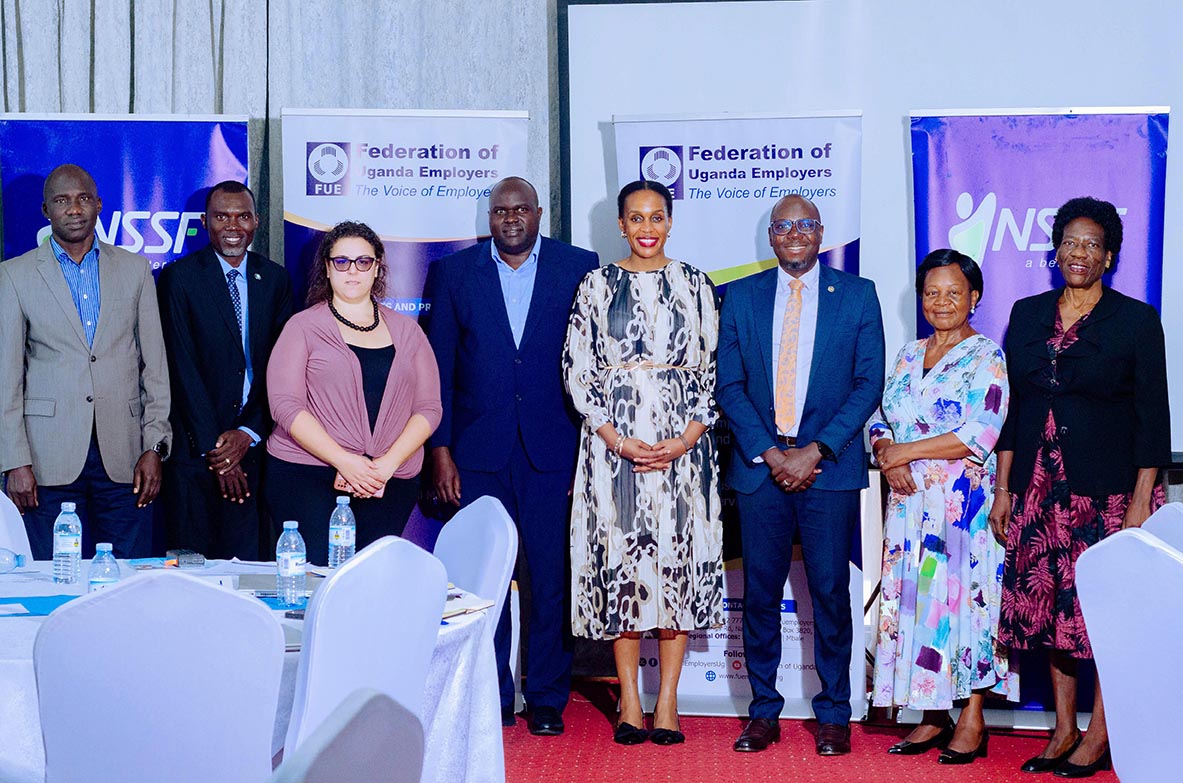
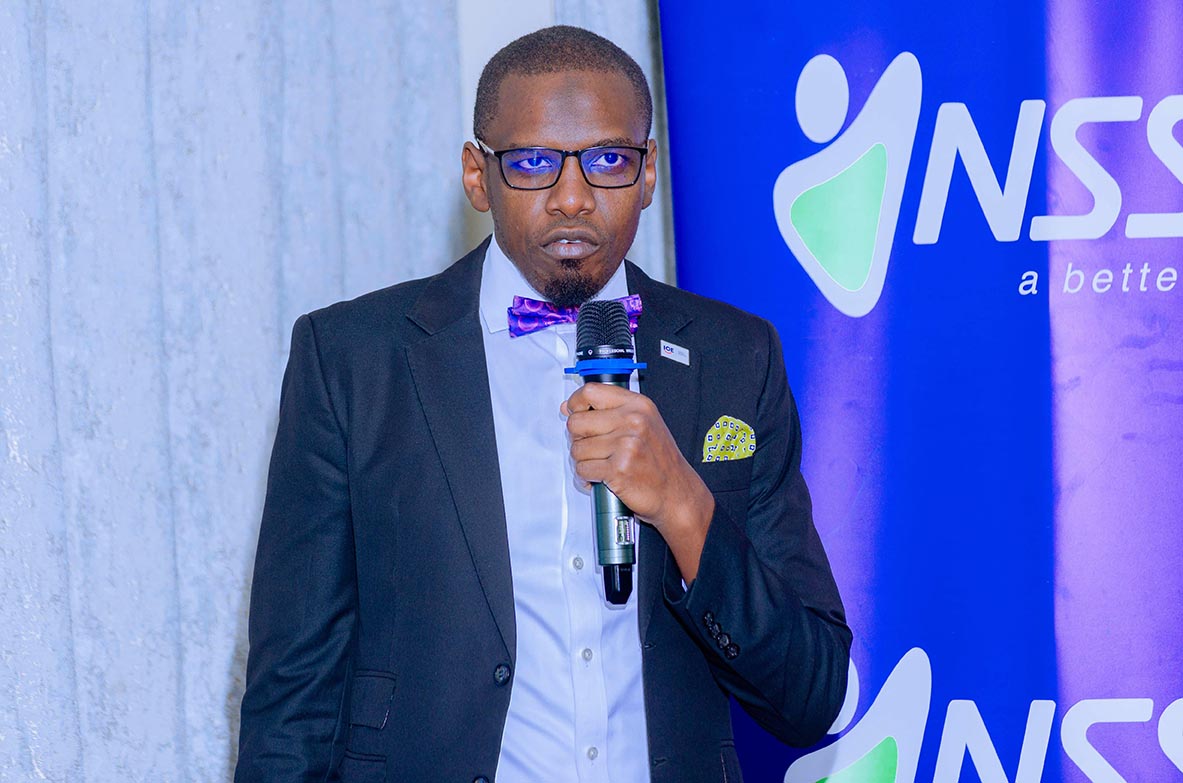
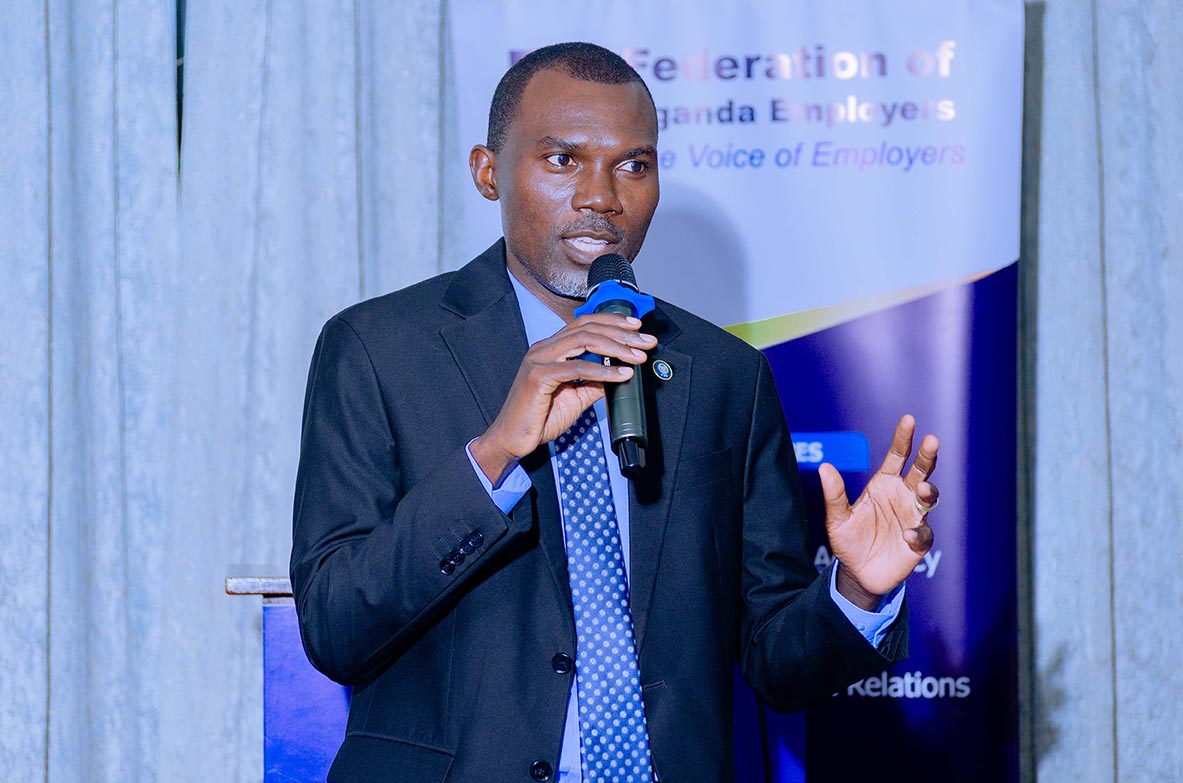
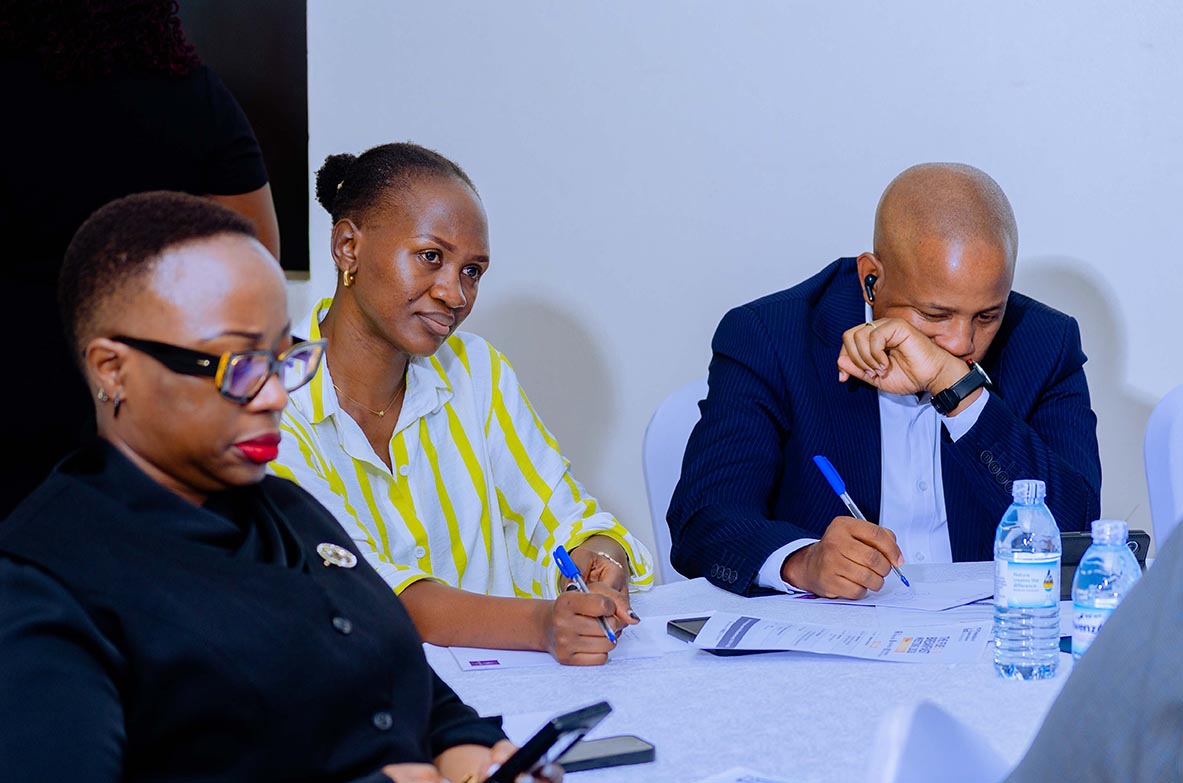
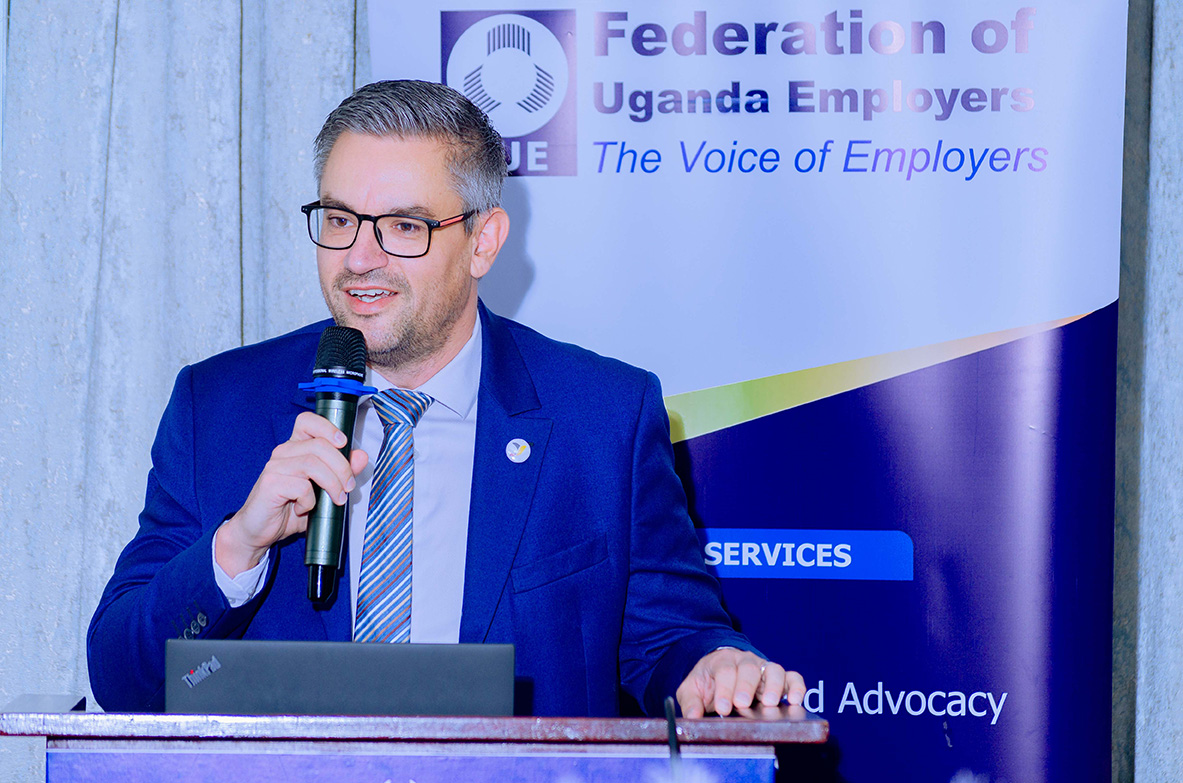
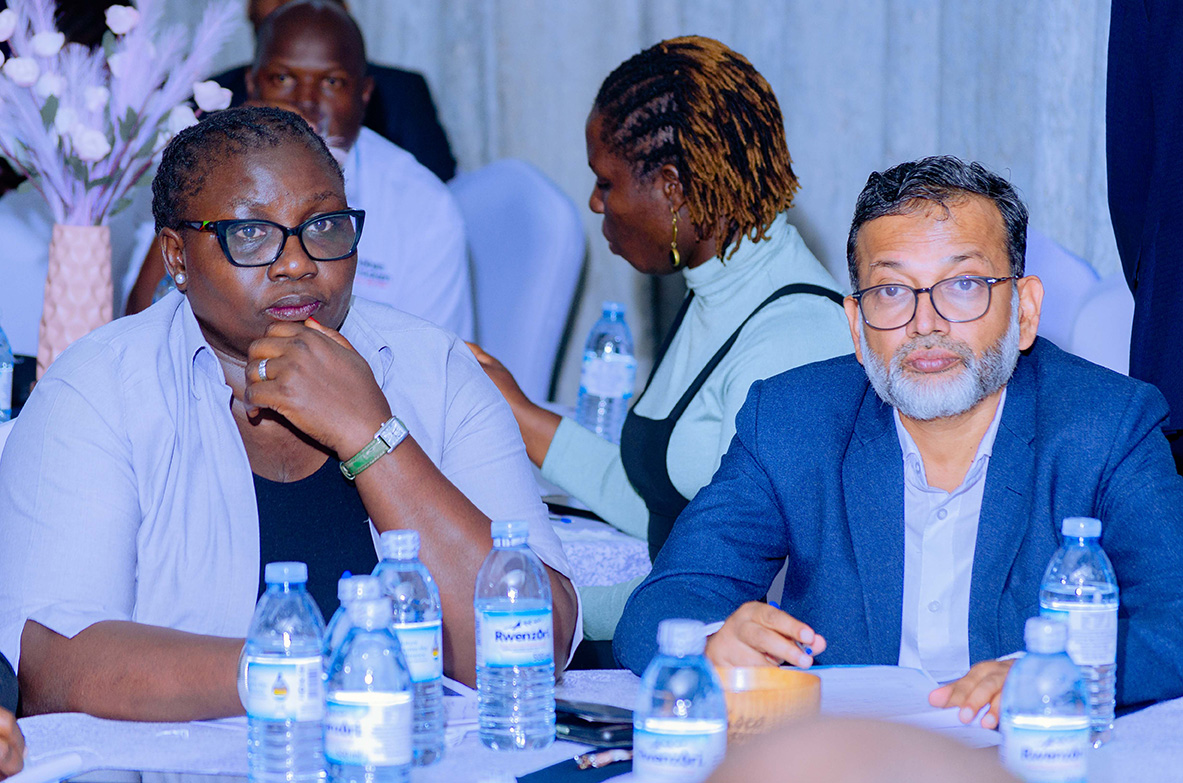
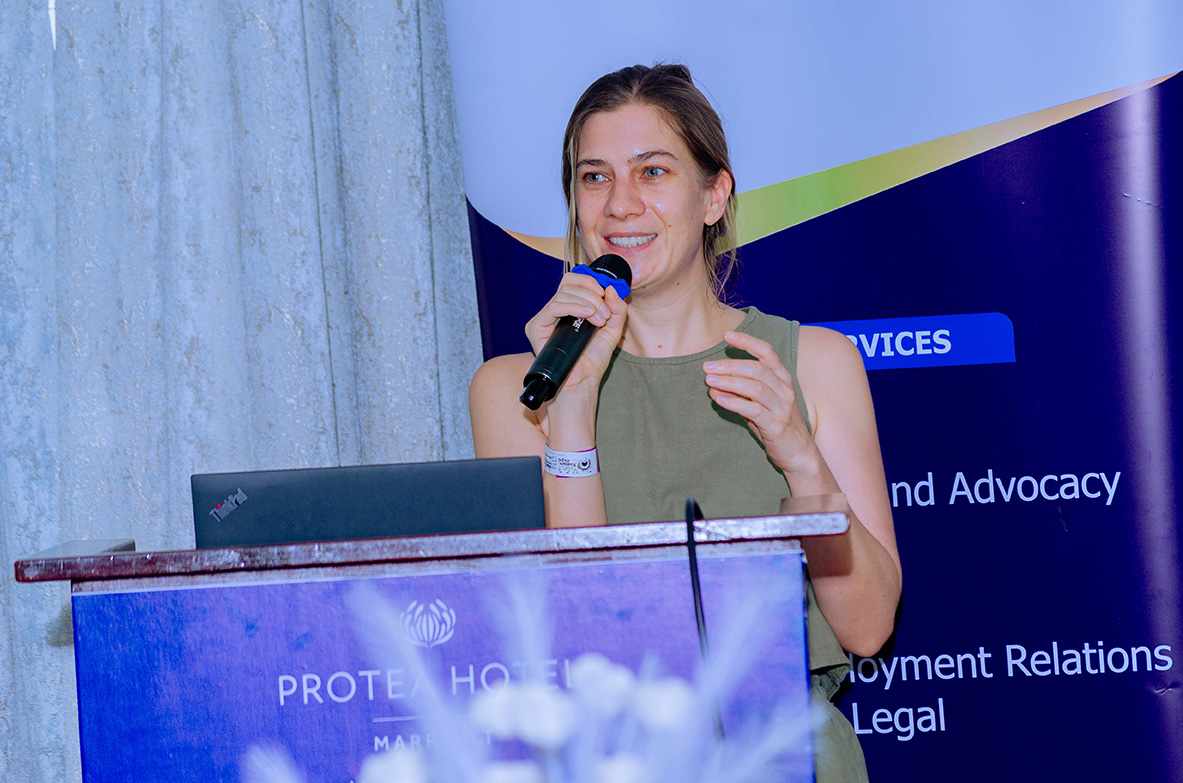
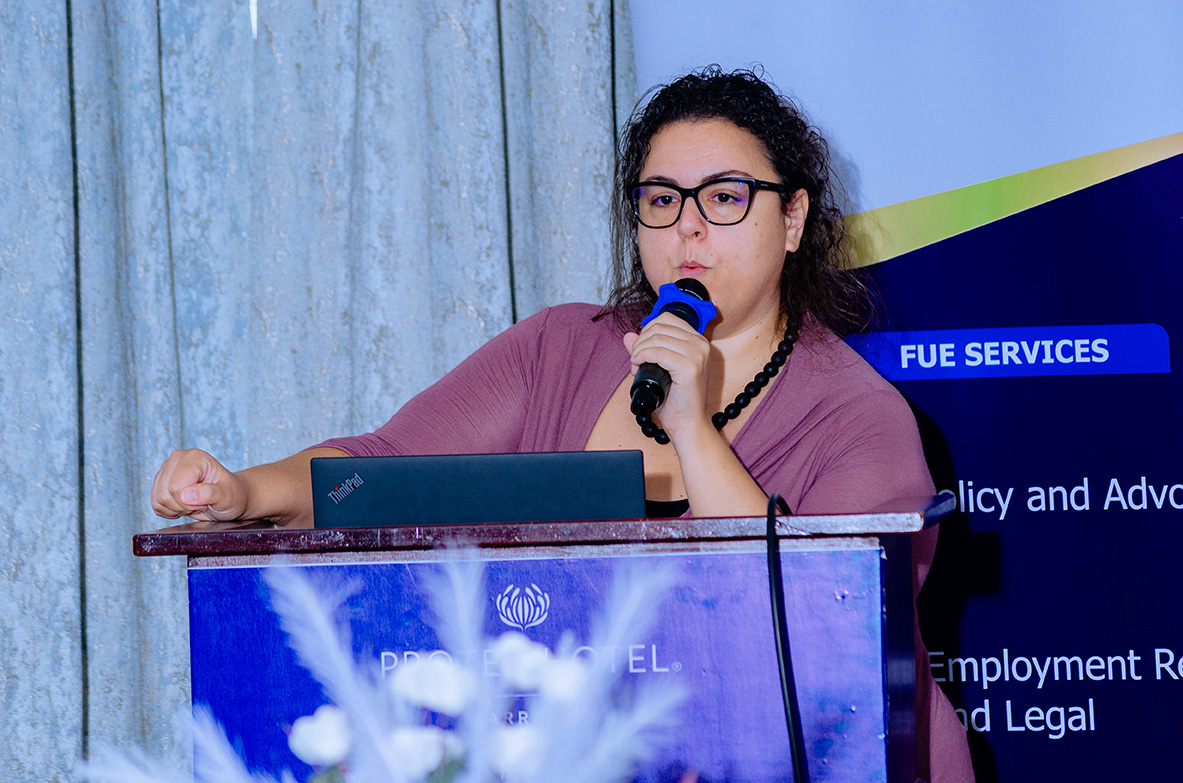
The FUE-CEO Breakfast Meeting was convened on Friday 22nd May 2026 at Protea Skyz Hotel, Naguru themed, ‘Triple Win Approach’. CEOs and business leaders were in attendance for this high-level engagement to share valuable insights, benchmark best business practices and build strong entities. The keynote speaker was Mr. Nicolas Oebel, the Country Director, Enabel.
In his opening remarks, Mr. Douglas Opio, Our CEO highlighted various FUE initiatives to promote decent work, foster youth employability, facilitate skills development and advance Business and Human Rights (BHR) in collaboration with tripartite partners and other relevant stakeholders. He encouraged CEOs to maximise the meeting to build strategic partnerships with fellow leaders to stay afloat in a volatile business environment. Mr. Opio urged Employers to adopt a learning culture to ease daily work operations.
The keynote presentation by Mr. Nicolas Oebel revealed the Triple Win Approach applied by Enabel in collaboration with the public-private sector players through education, health and social protection initiatives to boost sustainable development at national level. The presentation was complemented by a theoretical framework of the strategic application of various levers of development aforementioned for wholistic growth. Additionally, key tenets on the triple win approach reiterating the flow of the business value chain promoting access to global markets, job placement and research studies to promote efficient service delivery and case studies of the agricultural sector were highlighted.
The CEO Breakfast Meeting featured complimentary presentations from National Social Security Fund (NSSF) and Ministry of Gender, Labour and Social Development(MGLSD). NSSF shared a detailed presentation on the new changes of the NSSF Act such as opportunities to remit more than the 10% as well as Employer obligations i.e. remitting by 15th of the month, upholding payment plans and embracing inspection from firm auditors. Employers were enlightened on the Smart Life Flexi innovation that is a guarantee to build a savings culture. Click here to access the presentation on the Mandate of NSSF. The Assistant Commissioner of Industrial Relations, MGLSD revealed key insights on employment disputes, industrial harmony, workers’ compensation, collective termination, violence, harassment and workforce restructuring to create a conducive business environment.
Furthermore, our esteemed member, Prudential Uganda enlightened Employers on service offerings such as wealth creation through the PRU Wealth initiative, education and future planning and provision of advisory services for a fulfilling life. Click here to view the presentation on Prudential Insurance Products.
The FUE-CEO Breakfast Meeting featured insightful discussions to boost productivity, advance sustainable development and foster business growth. We believe these engagements to enhance employer competitiveness at national level.
INTERNATIONAL LABOUR DAY 2026
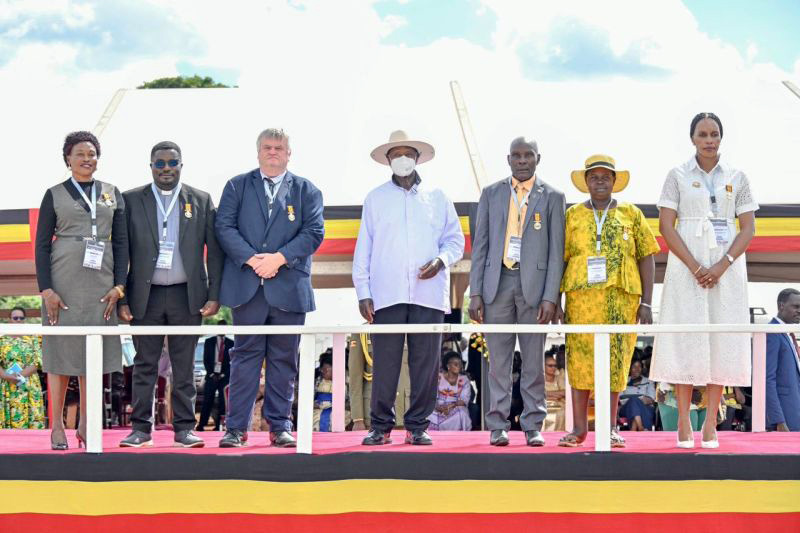
As the premier voice of Employers on social and economic issues in Uganda, we participated in the International Labour Day (ILD) celebrations presided over by H.E. Yoweri Kaguta Museveni, the President of the Republic of Uganda. The ILD 2026 celebrations were convened at Nkoyoyo Boarding Primary School, Matale Grounds in Buikwe District under the theme, ‘Safeguarding Uganda’s Progress: Empowering the Workforce and Promoting Decent Work for Competitive Enterprises’. The Vice President, Cabinet Ministers, Members of Parliament, religious leaders and international dignitaries were present.
In his address, President Museveni reiterated that wealth creation is the most sustainable pathway to national transformation. He emphasised the need to align skills with existing market demands to improve household incomes and productivity. The President further shared that Uganda’s peace and stability should be used as economic levers to advance sustainable development.
Our Chairperson, Mr. Fred Bamwesigye commended the government for the Public Service Pension Fund and the launch of the Third Decent Work Country Program. He applauded the President for assenting the Employment (Amendment) Act 2025 into law. Furthermore, Mr. Bamwesigye highlighted the benefits of the Parish Development Model (PDM) that has improved livelihoods and boosted wealth creation initiatives.
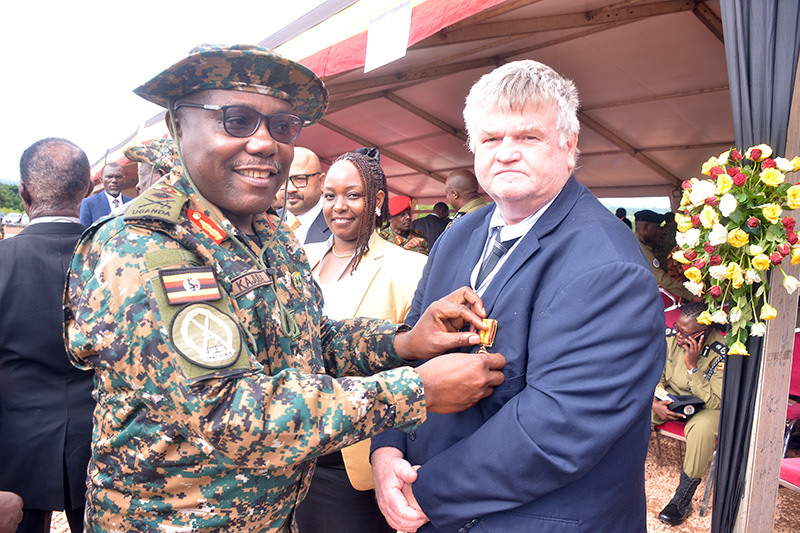
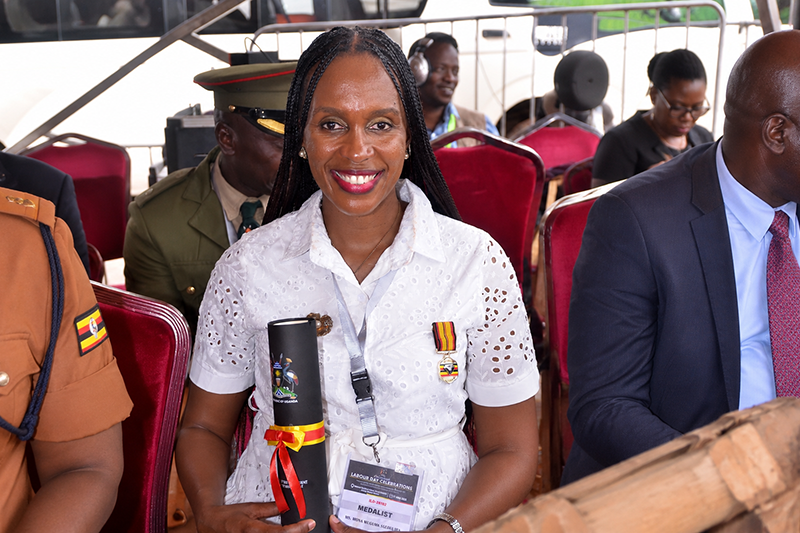
Congratulations to our Vice Chairperson, Ms. Mona Ssebuliba and Governing Council Member, Mr. Simon Harvey who received the Diamond Jubilee medal for their contribution to socio-economic transformation at national level. Over 50 individuals were awarded medals for their outstanding service.
The ILD 2026 celebrations were preceded by the Employers’ Conference for Buikwe district presided over by Hon. Esther Anyakun, the Minister of State for Labour, Employment and Industrial Relations as well as an informative webinar to discuss employer competitiveness with Our CEO, Mr. Douglas Opio as a panelist. Hon. Anyakun encouraged Employers to prioritise safety and health because business growth shouldn’t be an occupational hazard. Our CEO emphasised the importance of continuous engagement between Employers and government because dialogue is key in improving the business environment.
As we look forward to attaining Vision 2040, Employers are at the forefront of fostering workforce productivity, upholding decent work standards in addition to investing in skilling and apprenticeship programs.
Onwards and Upwards in strengthening the Employers fraternity!
STAKEHOLDERS CAPACITY BUILDING ON SOCIAL SECURITY STANDARDS
According to Article 22 of the 1948 Universal Declaration of Human Rights, everyone, as a member of society, has the right to social security. Similarly, Article 9 of the International Covenant on Economic, Social and Cultural Rights states: ‘The state parties to the present covenant recognise the right of everyone to social security, including social insurance’. In addition, the United Nations Sustainable Development Goals (SDGs) state that establishing comprehensive social protection systems are essential for ending poverty, reducing inequality, and building resilience against economic and environmental shocks. Also, the 1995 Constitution of Uganda guarantees social protection by outlining it as a fundamental right, mandating the State to provide basic welfare, pension, and retirement benefits. In this regard, the Ministry of Gender, Labour, and Social Development (MGLSD) in collaboration with the International Labour Organization (ILO) is implementing an initiative aimed at strengthening the application of Social Security Standards in the design and implementation of national policies and programmes to promote comprehensive social protection systems in Uganda.
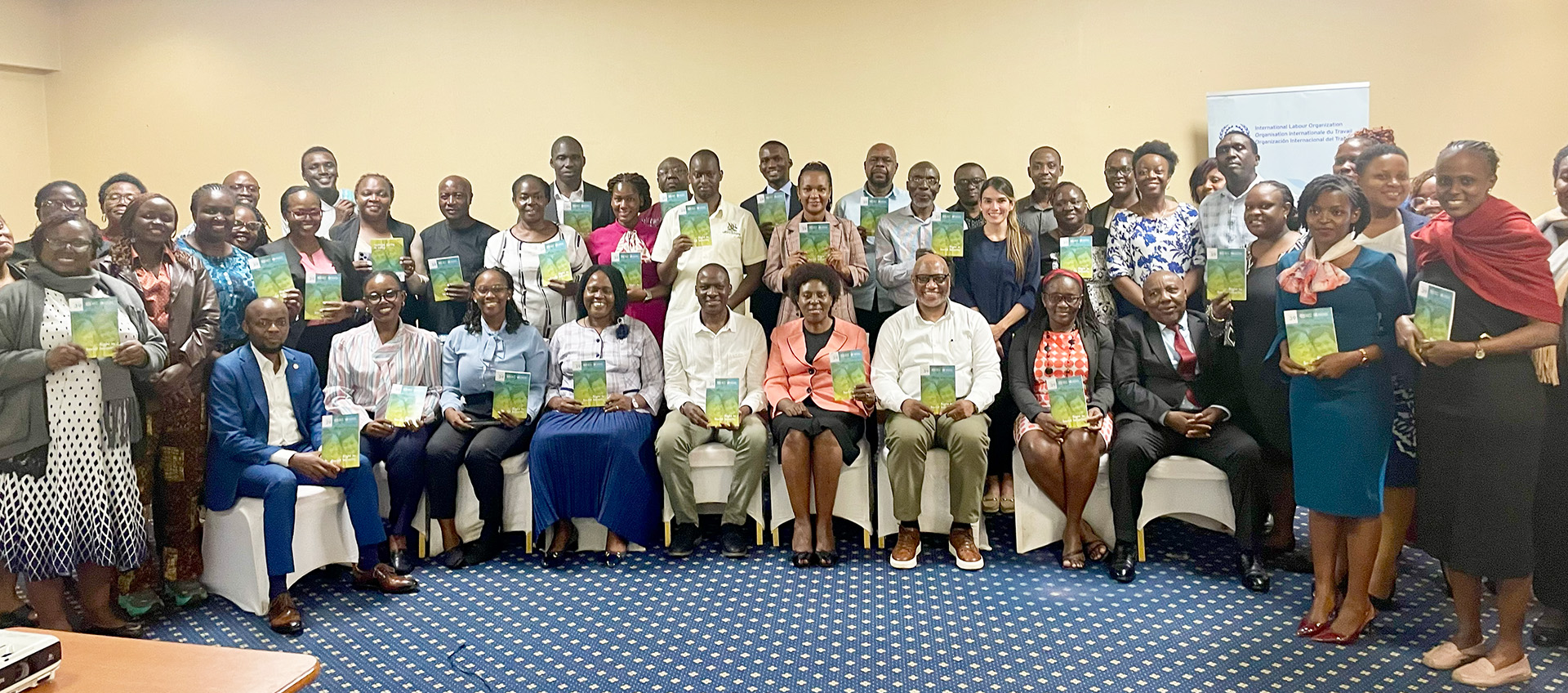
In line with our role on lobbying and advocacy, we participated in a three-day capacity building workshop from Monday May 11 to Thursday May 14 at Lake Victoria Granada Hotel in Entebbe 2026 organised by the MGLSD in collaboration with ILO. The main purpose of the workshop was to strengthen national capacities to apply international social security standards, foster a common understanding of social protection principles and minimum benchmarks, and develop a roadmap to guide priorities and follow-up actions. Participants included the officials from the MGLSD, ILO, Bank of Uganda Social Security Scheme, National Social Security Fund (NSSF), Uganda Retirement Benefits and Regulatory Authority (URBRA), National Planning Authority (NPA), Equal Opportunities Commission (EOC), Ministry of Public Service, Ministry of Local Government, Ministry of Works and Transport, Uganda Prisons Service, Uganda Bureau of Statistics (UBOS), Federation of Uganda Employers (FUE), Parliamentary Advocacy Forum on Social Protection, National Organisation of Trade Union (NOTU), Central Organisation of Free Trade Union (COFTU), Kampala City Traders Association (KACITA), among others.
The ILO Social Security (Minimum Standards) Convention No. 102, which is the flagship of all ILO social security conventions, establishes the minimum benchmarks for national social security systems. Accordingly, member states can ratify a minimum of three branches out of the nine, including at least one of the branches that covers pensions or unemployment in order to be compliant with this international social security standard. Then, the Convention allows for the step-by-step extension of social security coverage. The nine branches of the ILO Convention 102 are: Medical Care, Sickness Benefit, Unemployment Benefit, Old-age Benefit, Employment Injury Benefit, Family Benefit, Maternity Benefit, Invalidity Benefit, and Survivor’s Benefit.
However, during the workshop, an analysis of the different social protection schemes in Uganda was made which revealed that a lot of gaps still exist in terms of coverage (of the population), the number of contingencies covered, and the adequacy of the benefits provided, implying that Uganda do not meet the minimum standards of social protection as per Convention 102. Besides, the country has not yet ratified this international social security standard Convention 102.
In view of the above, raising awareness about the importance of promoting comprehensive social security systems in the country, initiating the process of the ratification of Convention 102 and anchoring social protection systems to national laws formed part of the way forward from the workshop.
Therefore, establishing comprehensive social protection systems is so critical since social protection is a human right as well as an economic and social necessity. It enables productive employment and productivity, facilitates the transition to a formal economy, reinforces economic resilience, reduces poverty and vulnerability, encourages investment in human capital and promotes social justice.
WEBINAR ON MENTAL HEALTH AT WORK
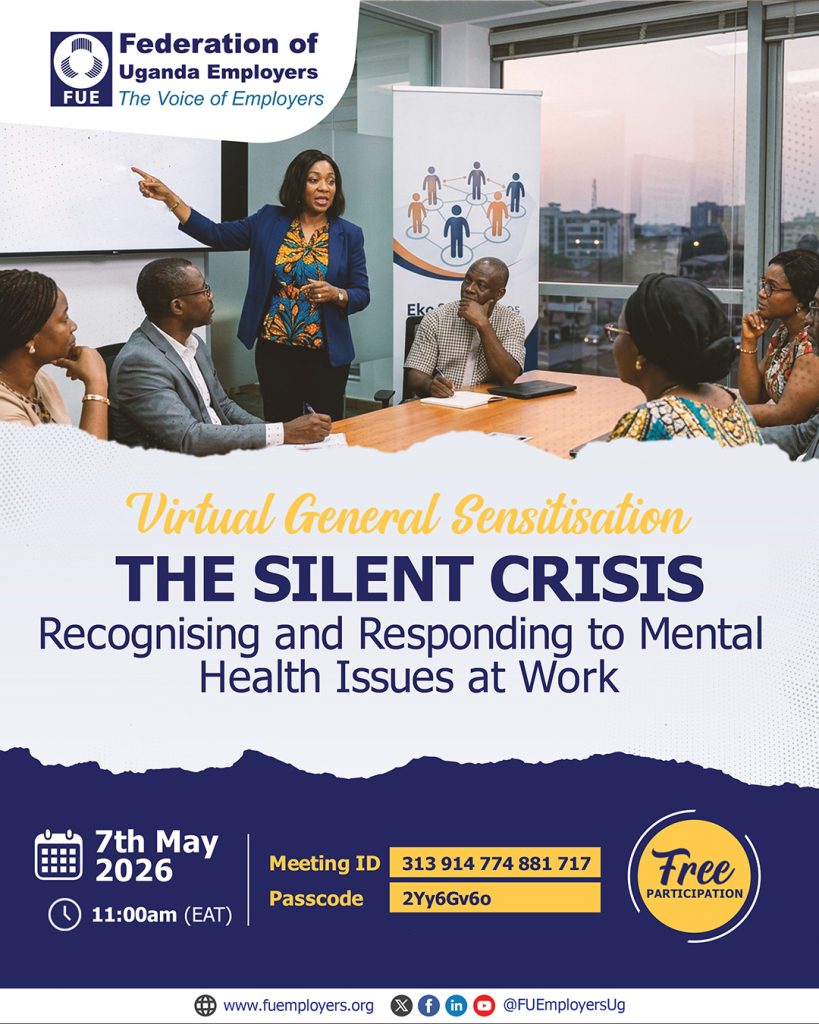
In the evolving labour market, employee well-being initiatives should cater for mental health concerns. On 7th May 2026, we conducted an enlightening webinar on, The Silent Crisis: Recognising and Responding to Mental Health Issues At Work’. The main purpose of the sensitisation was to strengthen awareness and practical understanding of workplace mental health challenges and build the capacity of managers, supervisors, HR practitioners, and employees to respond appropriately.
The training enlightened participants on awareness and understanding of common mental health challenges affecting employees at work. Early signs and indicators of mental health distress at the workplace were shared to equip leaders and teams with practical approaches for supportive communication and response. Additionally, Employers were encouraged to promote psychologically safe and supportive workplace environments to reduce stigma associated with mental health conversations at work.
Today’s workplaces are experiencing increasing pressure arising from demanding workloads, economic uncertainty, personal challenges, digital fatigue, burnout, and evolving work environments. While organisations continue to focus on productivity and performance, mental health challenges among employees often remain unnoticed, unspoken, or misunderstood. We believe these sessions are significant to share valuable insights and practical solutions to improve workplace mental health awareness.
Click here to recap the training
For a customised training suited to your organisation needs, contact Yusuf Nsubuga, the FUE Training Manager, yusuf.nsubuga@fuemployers.org | info@fuemployers.org
ACCEL PROJECT PARTNER ONBOARDING AND ORIENTATION
The ACCEL Africa project funded by the Government of the Netherlands aims to accelerate the elimination of child labour in Africa through targeted interventions in supply chains across Côte d’Ivoire, Ghana, Mali, Nigeria, Kenya, and Uganda. In Uganda, the project focuses on addressing child labour in the coffee and tea supply chain through a systems-based approach that tackles both its root causes and its manifestations at community, institutional, and policy levels.
To effectively address child labour, the ACCEL Africa project applies an integrated strategy based on International Labour Organization (ILO) experience, structured around three key objectives namely improving and enforcing policy, legal, and institutional frameworks to address child labour in global supply chains, institutionalising innovative and evidence-based solutions that tackle the root causes of child labour in addition to strengthening partnerships and knowledge sharing among supply chain actors operating in Africa.
In view of the above, a partner onboarding and orientation workshop was held from 4th to 8th May 2026 in Entebbe. The five-day workshop was attended by 25 participants from tripartite partners and Civil Society Organisations (CSOs) including FUE, National Organisation of Trade Unions, Uganda Women’s Effort to Save Orphans, 100 Weeks, Elucid Health Uganda, Mobi Pay and the Government of Uganda among others. The workshop was facilitated by officials from the ILO Regional Office for Africa based in Cote D’ Ivoire, Pretoria, South Africa and ILO Uganda Office. Participants included project and programme managers/coordinators, finance and administrative officers, monitoring and evaluation officers and data focal points, technical officers and field coordinators as well as gender focal points and social inclusion specialists.
In Uganda, the implementation of Outcome 1 and 2 of the ACCEL Africa project relies on strong collaboration with national stakeholders and implementing partners. Through implementation agreements, the project supports social partners and other institutions to carry out direct interventions in target communities. These interventions contribute to strengthening the application of fundamental principles and rights at work, particularly the elimination of child labour in the coffee and tea supply chains.
FUE-DI CONDUCT GENDER EQUITY VISIT FOR EMPLOYERS
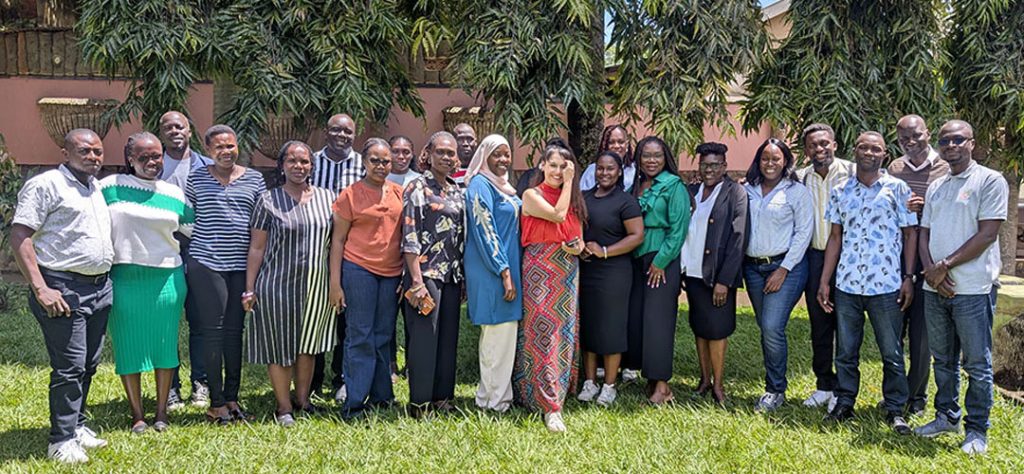
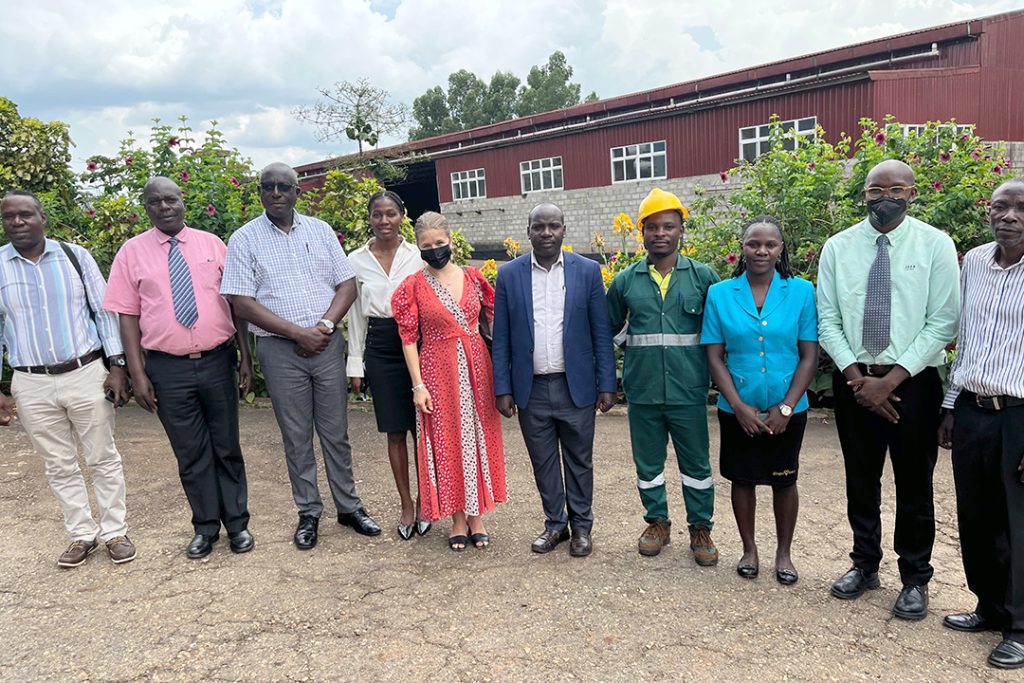
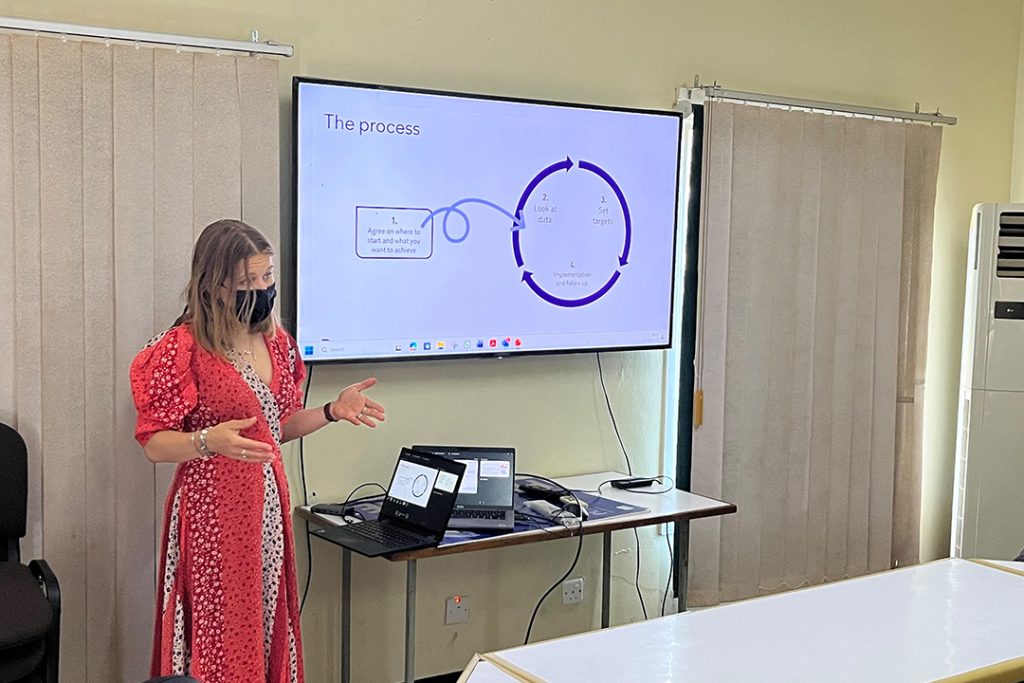
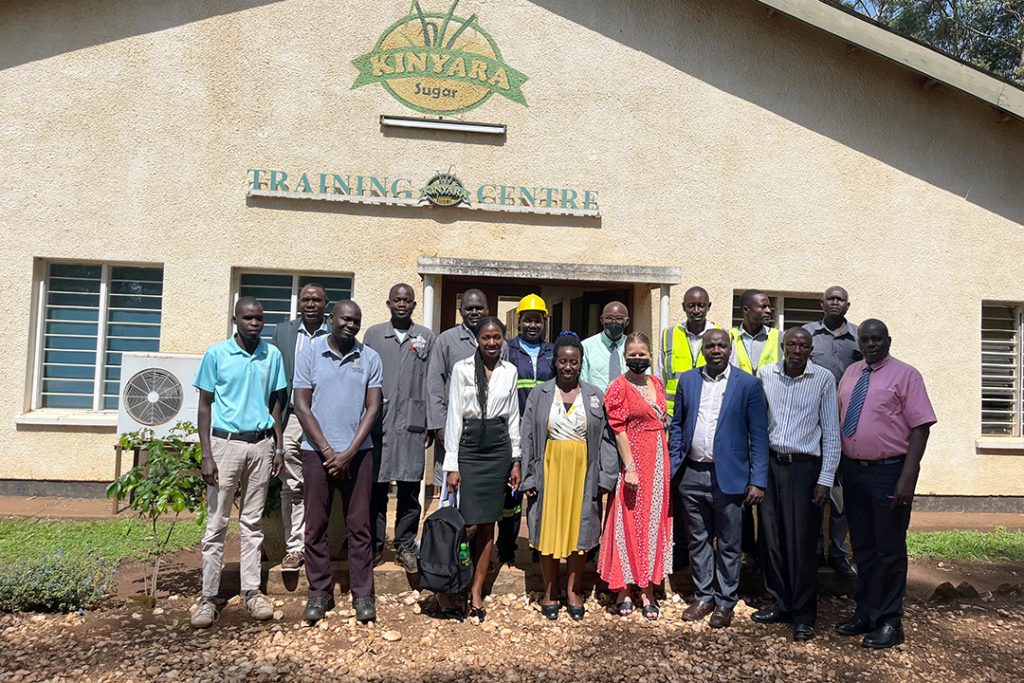
The Federation of Uganda Employers (FUE) together with representatives from the Danish Industry conducted monitoring and engagement visits to Kinyara Sugar Limited and Bwendero Dairy Farm. The purpose of these engagements was to support the implementation of the newly developed gender audit tool, sensitize stakeholders on the amendments to the Employment Act, and strengthen workplace gender diversity, equity, and inclusion practices.
The engagements which were aimed at promoting decent work, inclusive workplaces, and compliance with evolving labour legislation were attended by representatives from FUE, Danish Industry, management teams, gender committee members, occupational safety and health teams, human resource personnel from the respective organisations. Across both institutions, discussions focused on the implications of the amended Employment Act on employers and employees, workplace gender equity and inclusion, prevention of harassment and violence, breastfeeding and children provisions, Occupational Health and Safety, including mental health and the practical application of the gender audit tool.
Recommendations included;
- Review and update their internal policies to align with the amended Employment Act
- Continuous sensitisation of management, supervisors and employees was emphasised as a priority to ensure effective implementation of legal provisions and workplace policies.
- Strengthening communication strategies using simplified and accessible formats while integrating gender, occupational safety, mental health, and anti-harassment messaging into routine workplace briefings.
- Reinforcing employee counselling and psychosocial support systems to improve workforce wellbeing.
- Setting up breastfeeding and childcare support facilities in line with legal requirements and international best practices
- Customise the Gender Audit Tool to support workforce monitoring, planning, and decision-making.
FUE and Danish Industry reaffirmed their commitment to supporting both Kinyara Sugar Limited and Bwendero Dairy Farm through training, technical assistance, policy guidance, and continued collaboration on workplace inclusion initiatives.
FUE MEMBER ENGAGEMENT
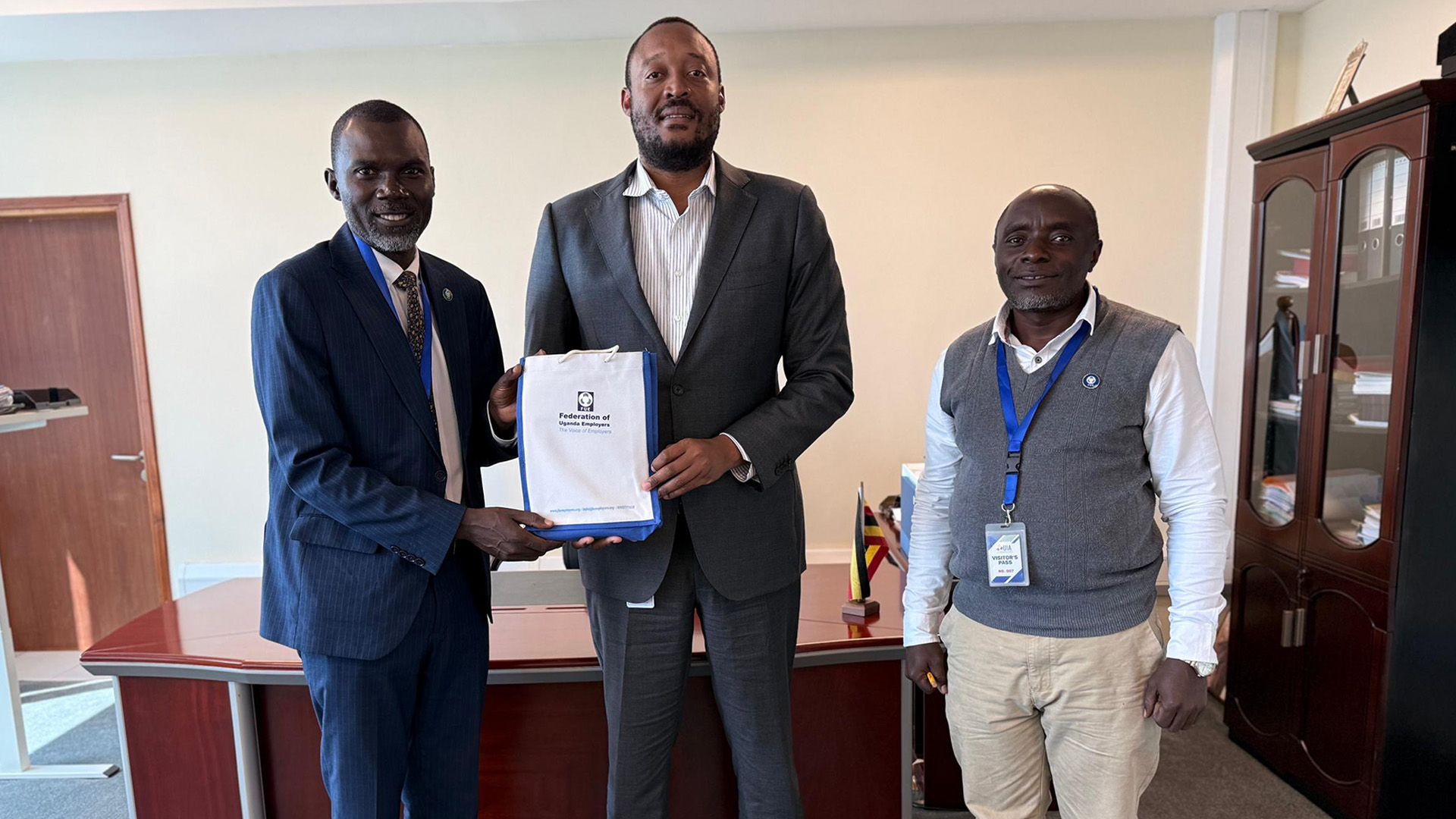
Our Chief Executive Officer, Mr. Douglas Opio paid a courtesy visit to our esteemed member, Uganda Investment Authority (UIA). The UIA Director General, Robert Mukiza hosted the team at the UIA headquarters. The courtesy visit provided an opportunity to share key initiatives of FUE with a particular focus on employment relations, lobbying and advocacy as well as potential areas of collaboration.
We are keen on ensuring our members are aligned on matters of the labour market and institutional growth. We encourage you to fully utilise all the benefits in your membership category for a wholesome experience.
For inquiries on FUE project initiatives, membership services and any other pertinent information in the world of work, contact your designated account manager | info@fuemployers.org.
Remember, ‘Every Good Employer is a member of the Federation of Uganda Employers’.
Together for Employers!
FUE STAFF COMMENTARY
PROMOTE THE SKILLS OF GRIEVANCE HANDLING AND DISPUTE PREVENTION FOR A PRODUCTIVE WORK ENVIRONMENT
“Every organisation is prone to various types of conflicts, which may entail grievances and discipline issues, and therefore, leaders and managers should possess the skills required to handle them effectively”, stated by Human Resource experts and professionals at the Chartered Institute of Personnel and Development (CIPD). While Anita Roddick, a prominent British entrepreneur, human rights activist and environmental campaigner says, “The key to handling problems and conflict within an organization is to keep the channels of communication wide open”.
Indeed, communication is the lifeblood of an organization, and the success of any organization depends on its ability to create a positive and productive work environment. Such an environment thrives from the existence of strong working relationships, and the capacity for effective grievance handling and dispute prevention mechanisms, including open communication. So, effective grievance handling is the cornerstone to creating a positive and productive workplace.

Grievance handling methods play a crucial role in maintaining peaceful and good industrial relations by providing a structured and effective mechanism for handling employee complaints and concerns. (Tushar Dodhu Dasnur and Dr. Sarita Dhawale, 2024). According to Holistique Training (2023), a global provider of professional corporate training, skill development, and executive education, some of the common sources of employee grievances that most organisations often encounter include;
- Communication breakdowns: Employees may feel disconnected, uninformed, and undervalued.
- Compensation and benefits: Discrepancies in pay, unexplained deductions, or a perception of unfair compensation can quickly erode the trust between employees and the organisation.
- Workplace harassment and discrimination: A toxic work environment resulting from harassment, bullying, or discriminatory behaviour is not only detrimental to the individuals involved but also poses a significant risk to the organisation.
- Inadequate work-life balance: Demanding work hours, unrealistic expectations, and limited flexibility can lead to burnout and resentment. According to Clockify, a popular, free time-tracking and timesheet software designed for individuals and teams, an overwhelming majority (94%) of employees consider work-life balance to be a significant and crucial aspect in their professional lives.
- Unclear performance appraisals: When the evaluation process is unclear or perceived as arbitrary, employees may feel undervalued and demoralised.
- Lack of growth opportunities: A lack of growth opportunities can lead to stagnation and dissatisfaction.
- Mismanagement of conflict: Whereas conflict is inevitable in any workplace, it is how organisations handle conflicts that make the difference. When conflicts between employees or with supervisors are mismanaged, they can escalate, hence causing long-term disruptions and negatively impacting the overall work environment.
- Other causes include different personalities and personality clashes, unresolved problems from the past, competition between employees, poor leadership, and unclear responsibilities and roles.
To effectively address the above grievances and workplace conflicts, Holistique Training (2023), HBA consulting services (2026), and Iubenda (2026) provides the following practical strategies:
- Establish Clear Policies that are easily accessible to all employees to provide a roadmap on how their concerns will be handled. Such kind of transparency in this initial stage sets the tone for a fair and just conflict resolution process.
- Promote Open Communication where employees can feel comfortable discussing their concerns with supervisors or HR representatives. This open communication approach builds trust and can prevent minor issues from escalating.
- Provide comprehensive training for managers and HR teams to equip them with conflict resolution and communication skills to ensure they are adept at handling employee grievances, including sensitive issues, and in conducting unbiased investigations. This ensures a fair and impartial conflict resolution process.
- Implement Anonymous Reporting Channels like suggestion boxes, online platforms, or dedicated hotlines that provides a confidential space for employees to express their concerns. This would allow them to voice their concerns without fear of retaliation.
- Conduct a thorough and impartial investigation whenever a grievance is raised to understand the root cause of the issue.
- Emphasise the importance of confidentiality and privacy throughout the grievance resolution process. Employees are more likely to come forward with their concerns if they trust that their grievances will be handled discreetly and without fear of retaliation.
- Encourage and promote Alternative Dispute Resolution (ADR) mechanisms in form of Mediation where a neutral third party called a mediator helps the disputing parties discuss their issues and work towards a mutually acceptable solution; Arbitration where an impartial arbitrator listens to both sides and then makes a decision that is usually binding on the parties; Conciliation where a conciliator meets with the parties separately to ease tensions and suggest possible solutions; or Negotiation where parties communicate directly to try to reach a voluntary agreement without third-party involvement.
- Undertake timely action to not only demonstrate the organisation’s commitment to resolving issues, but also to prevent the escalation of conflicts.
- Maintain accurate records of the grievance process, including meetings, investigations, and resolutions for transparency and legal purpose. This serves as a valuable resource for analysing patterns and trends in employee grievances to implement preventive measures.
- Approach each grievance uniquely and work with the involved parties to find solutions that cater for their specific needs. By tailoring solutions to individual circumstances, an organisation would demonstrate a commitment to understanding and meeting the unique needs of their employees.
- Make a follow up with the concerned parties after a resolution has been implemented. This ensures that the issue has been adequately addressed, and reinforces the organisation’s commitment to the ongoing improvement and employee satisfaction.
Therefore, in such an era of rapidly evolving business landscape, the importance of having a harmonious and engaged workforce cannot be overstated. As Tushar Dodhu Dasnur and Dr. Sarita Dhawale found out in the study entitled ‘Grievance Handling Practices and their Impact on Industrial Relations in HRM’ (2024), effective grievance handling practices contribute significantly to increased employee morale, enhanced trust in management, reduced conflict, improved productivity, and stronger union-management relations. Paul Polman, a Dutch business leader and former CEO of Unilever Counsels: “Working together on solving something requires a high level of humility and self-awareness”. Indeed, a great leader understands that conflict is not about winning, it’s about resolving.
By Patrick Ajuna, Policy and Research Officer
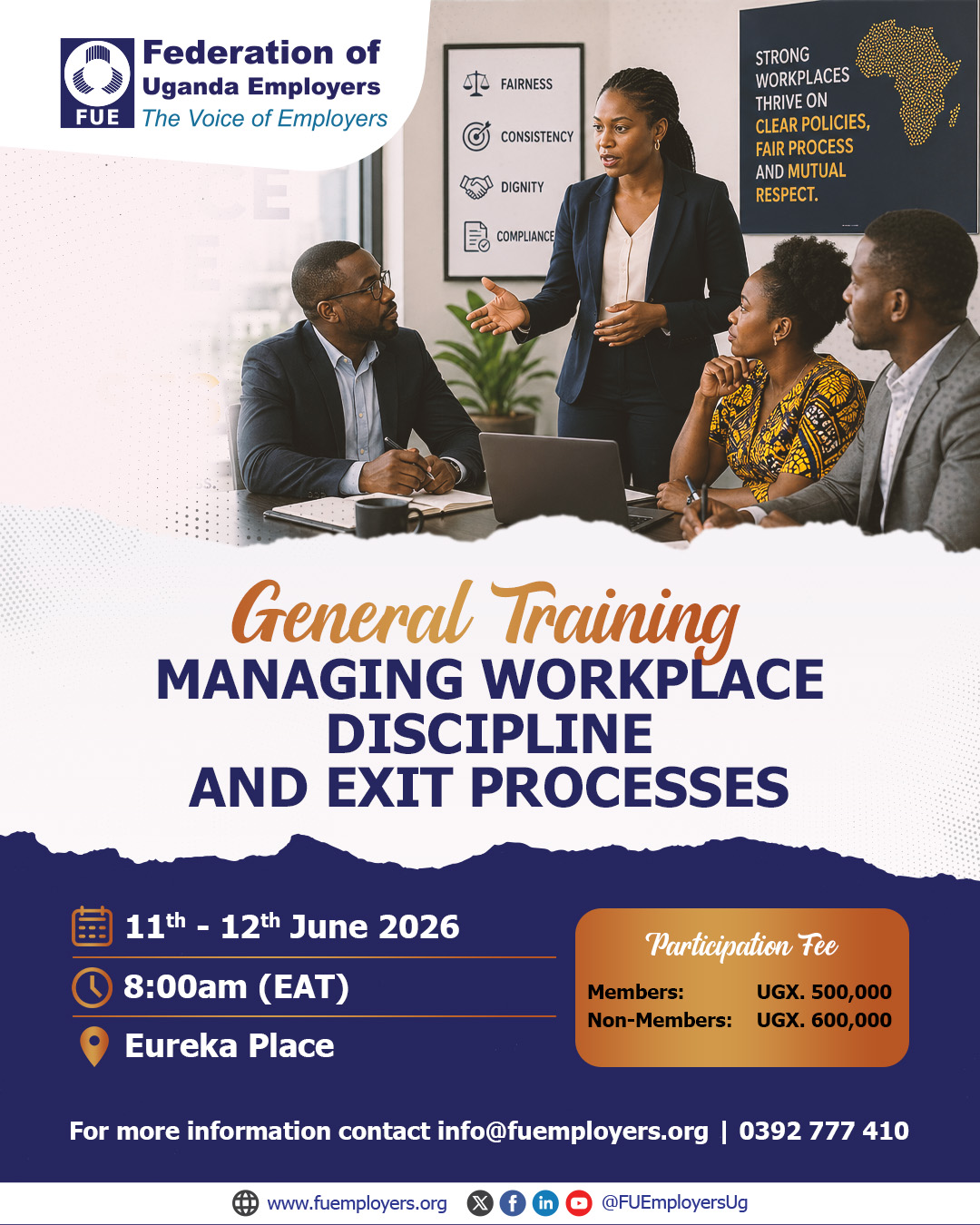
UPCOMING EVENT